SKIING WITH YUKIUMI HOUSE IN HOKKAIDO
Hokkaido doesn’t need you to explain it.
You understand it when you’re inside.
The snow falls steadily, silently.
The forest remains closed, dense, offering no obvious lines.
And skiing starts long before putting on the skis.
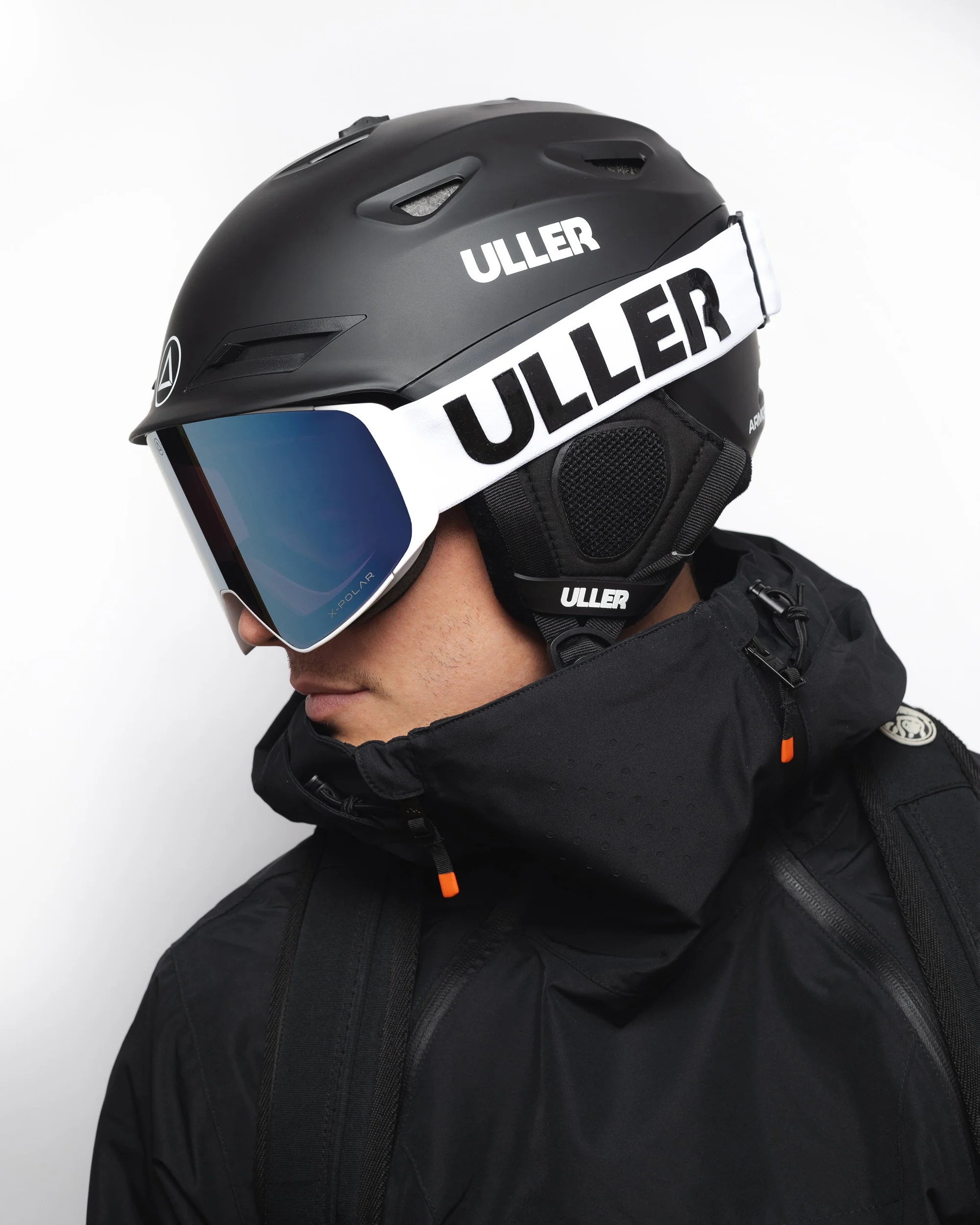
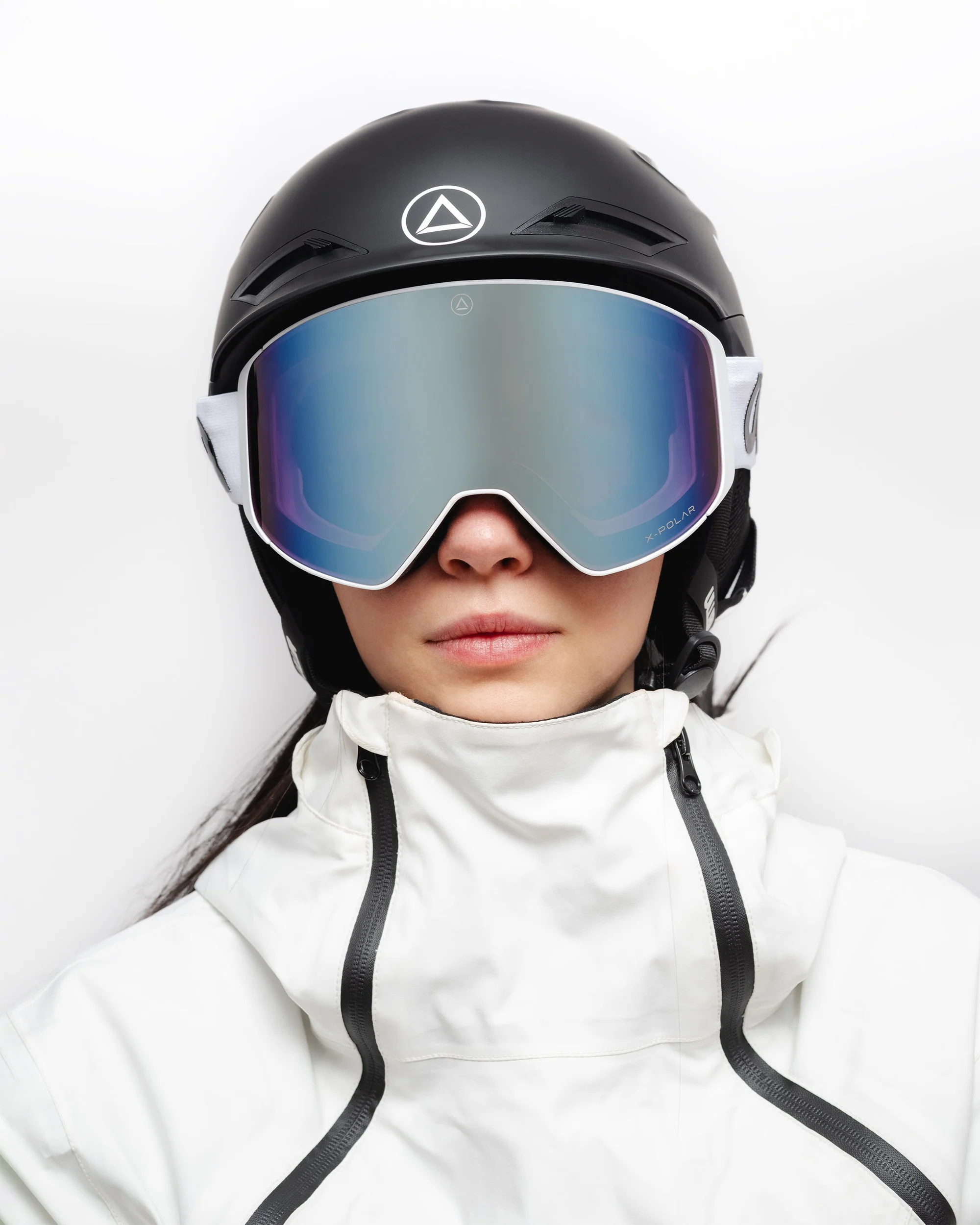
This is a day of ULLER skiing in Hokkaido, organized with Yukiumi House.
A day without rush, forced epicness, or the need to prove anything.
Only skiing, snow, and well-made decisions.
MORNING: OBSERVE BEFORE MOVING
The day starts slowly.
In Hokkaido, you don’t enter the forest in a hurry.
It’s observed.
The environment is read.
The snow is deep, dry, constant.
That kind of snow that doesn’t forgive mistakes but rewards finesse.
There are no big open faces or clear distant references here.
Everything happens among trees.
Every turn matters.
Every meter demands attention.
From the first runs it’s clear that in Hokkaido you don’t ski against the mountain.
You ski with it.

MID-MORNING: SKIING FINELY, NOT HARD
As the body gets into rhythm, skiing changes.
Turns shorten.
Landings soften.
The margin for error is small and requires being present.
There’s no room for excess.
There’s no place for hurry.
Deep snow doesn’t ask for speed.
It demands balance, reading, and respect.
Here skiing becomes silent.
More intimate.
More precise.
MIDDAY: STOPPING IS ALSO SKIING
One of the things that defines skiing in Hokkaido is the natural way of stopping.
No talk of wasting time.
No rushing to get back up.
There’s rest.
What worked is discussed.
Decisions are adjusted without dramatizing.
It’s shared skiing, very much a group thing.
If someone isn’t clear, the plan changes.
If fatigue appears, it’s listened to.
The Japanese forest leaves little room for ego.
And that organizes everything.
AFTERNOON: REPEAT TO UNDERSTAND
In the afternoon, the areas repeat.
The same forest.
The same entries.
The same references.
And that’s when skiing really starts to refine.
Repeating here doesn’t mean doing more of the same.
It means understanding better.
Recognize how the snow moves.
Know where the most snow accumulates.
Detect when it’s a good time to stop before losing clarity.
In Hokkaido, repeating means deepening.

COLD AS PART OF THE RHYTHM
The cold is present all day.
It doesn’t hit.
It accompanies.
It forces you to move calmly, to close each layer properly, to appreciate every pause.
When you stop, the body takes time to warm up and that slows everything down.
No quick gestures.
No unnecessary movements.
Here, the cold is not an enemy.
It’s part of the natural rhythm of the day.
END OF THE DAY: LESS NOISE, MORE CLARITY
The day ends without exaggerated celebrations.
There’s tiredness.
There’s comfortable silence.
There’s a clear feeling of having done the right thing.
It hasn’t been a day to look for the perfect run.
It has been a day to ski well.
To remember that not everything is measured by intensity.
Not everything is about going further.
Knowing when to stop is also part of skiing.
RETURN WITH SOMETHING CLEARER
A day of ULLER skiing in Hokkaido doesn’t leave great epic stories.
It doesn’t set records.
It doesn’t make headlines.
It leaves something more lasting.
More patience.
More judgment.
More respect for the environment and the group.
And the feeling that, when skiing is understood this way,
everything fits a little better.
— ULLER
HOKKAIDO: WHY THE BEST SNOW IN THE WORLD IS HERE
Talking about Hokkaido is talking about snow in its purest form.
It’s not a matter of marketing or myth.
It’s a very specific combination of geography, climate, and consistency.
Hokkaido is the northernmost island of Japan, fully exposed to cold air masses coming directly from Siberia.
That air, loaded with moisture after crossing the Sea of Japan, releases snow almost continuously when it hits the inland mountains.
The result is exceptionally dry, light, and deep snow.
Snow that doesn’t need big storms to accumulate meters.
It falls little by little, day after day, maintaining a constant quality throughout the season.
Unlike other destinations, here the snow doesn’t depend on a big single event.
It depends on regularity.
That completely changes the way you ski.
Hokkaido’s snow allows you to float without speed.
It forgives gentle supports.
It invites precise skiing in tight spaces.
That’s why the forests take center stage.
Visibility is usually better among trees than in open areas.
And the quality of the powder remains even days after it has snowed.
But perhaps the most important thing is not just the snow.
It’s the culture that surrounds it.
In Hokkaido, snow is not an extraordinary event.
It’s part of everyday life.
And that creates a much calmer and more respectful relationship with the mountain.
There’s no rush to make the most of everything.
There’s no anxiety to arrive first.
The snow will keep falling tomorrow.
That's why many consider Hokkaido not only the place with the best snow in the world,
but one of the few places where skiing regains its most essential form.
Less noise.
More consistency.
And a quality that needs no proof.