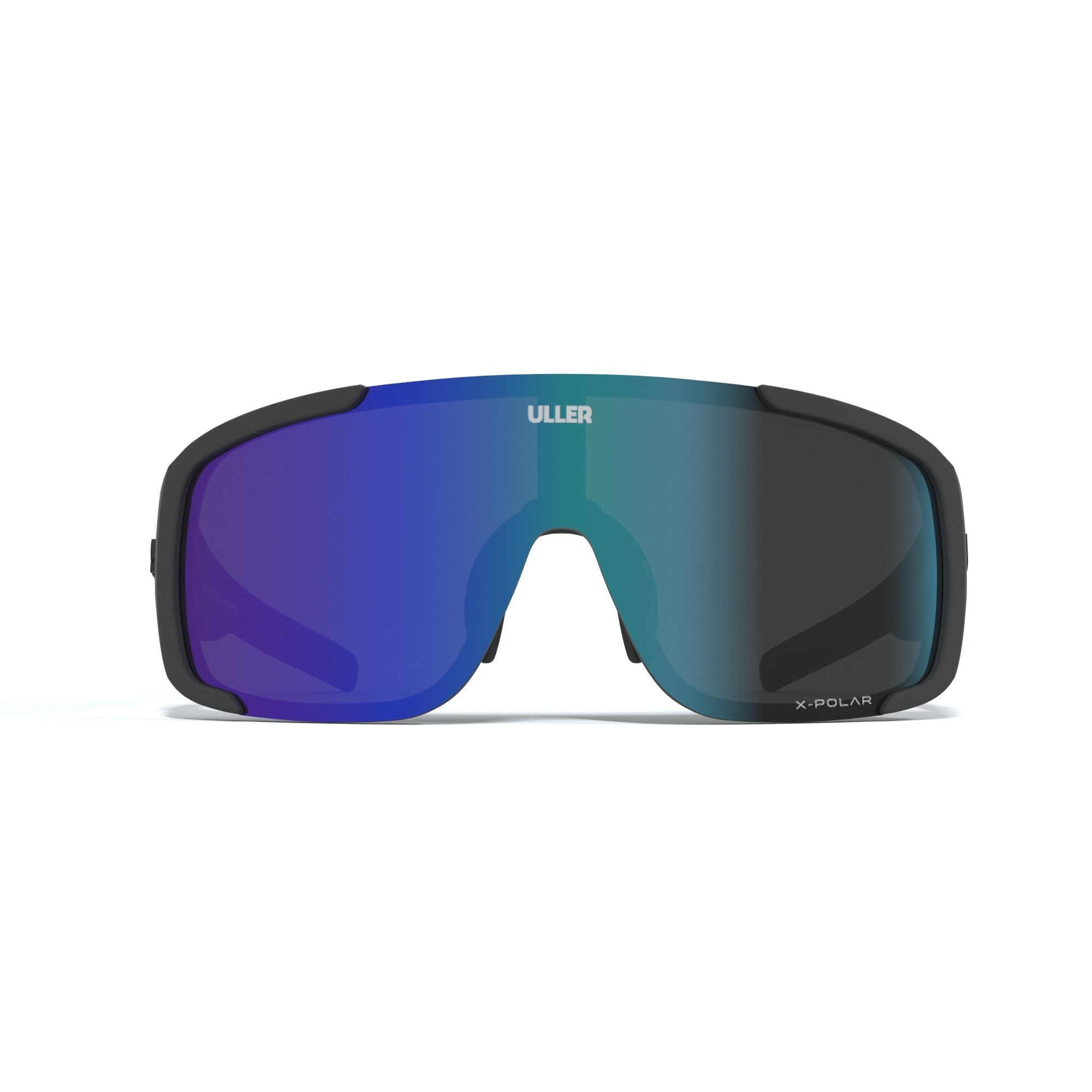
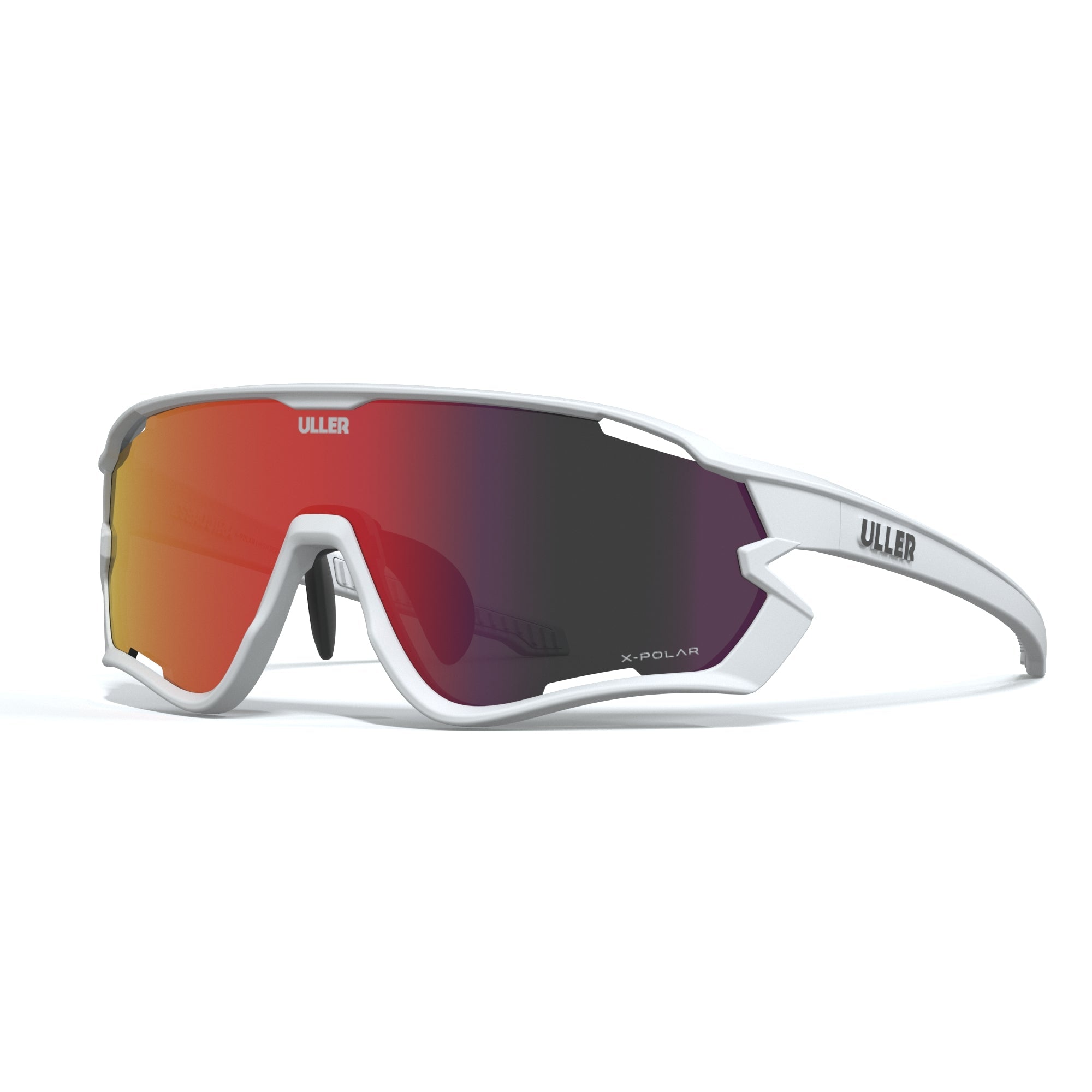
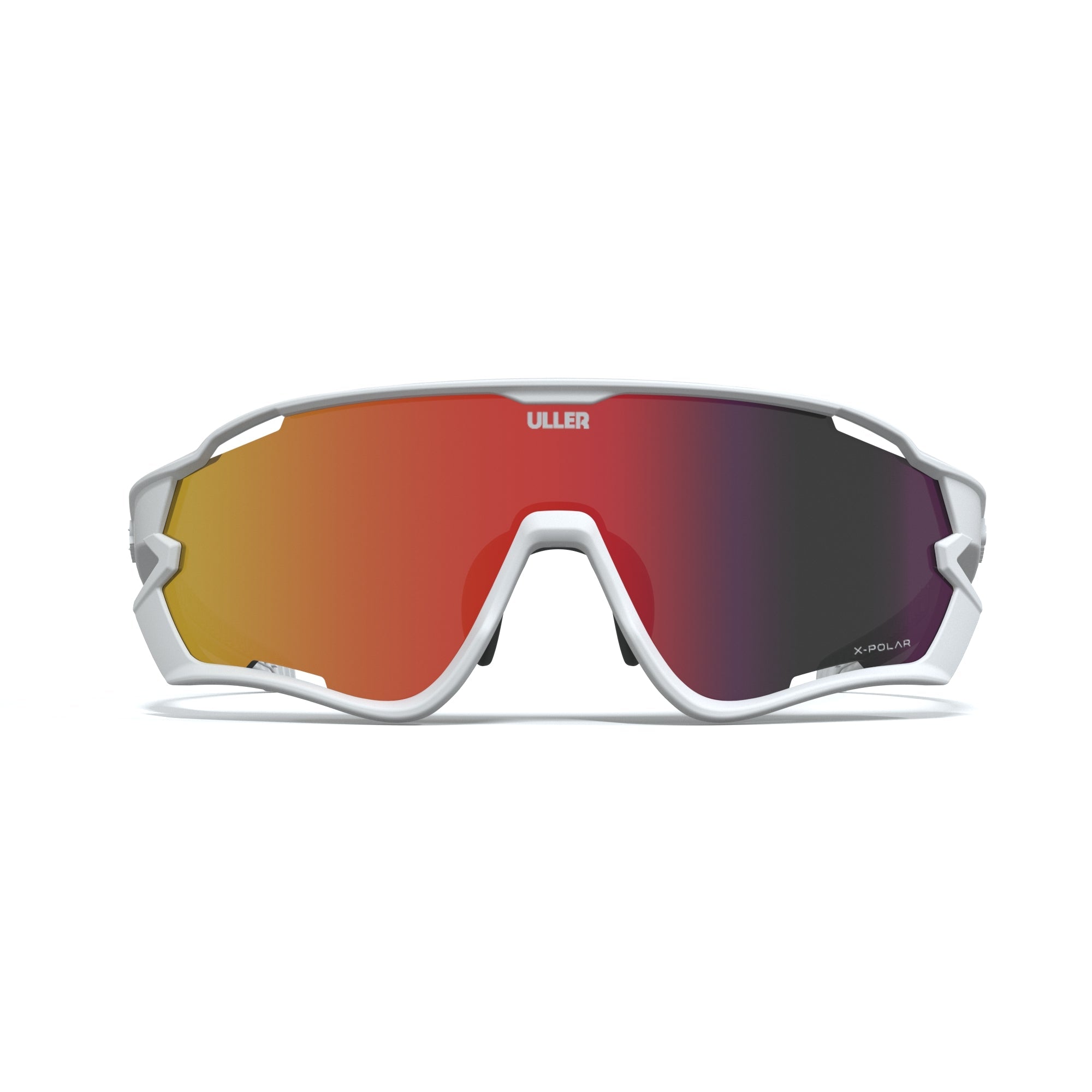
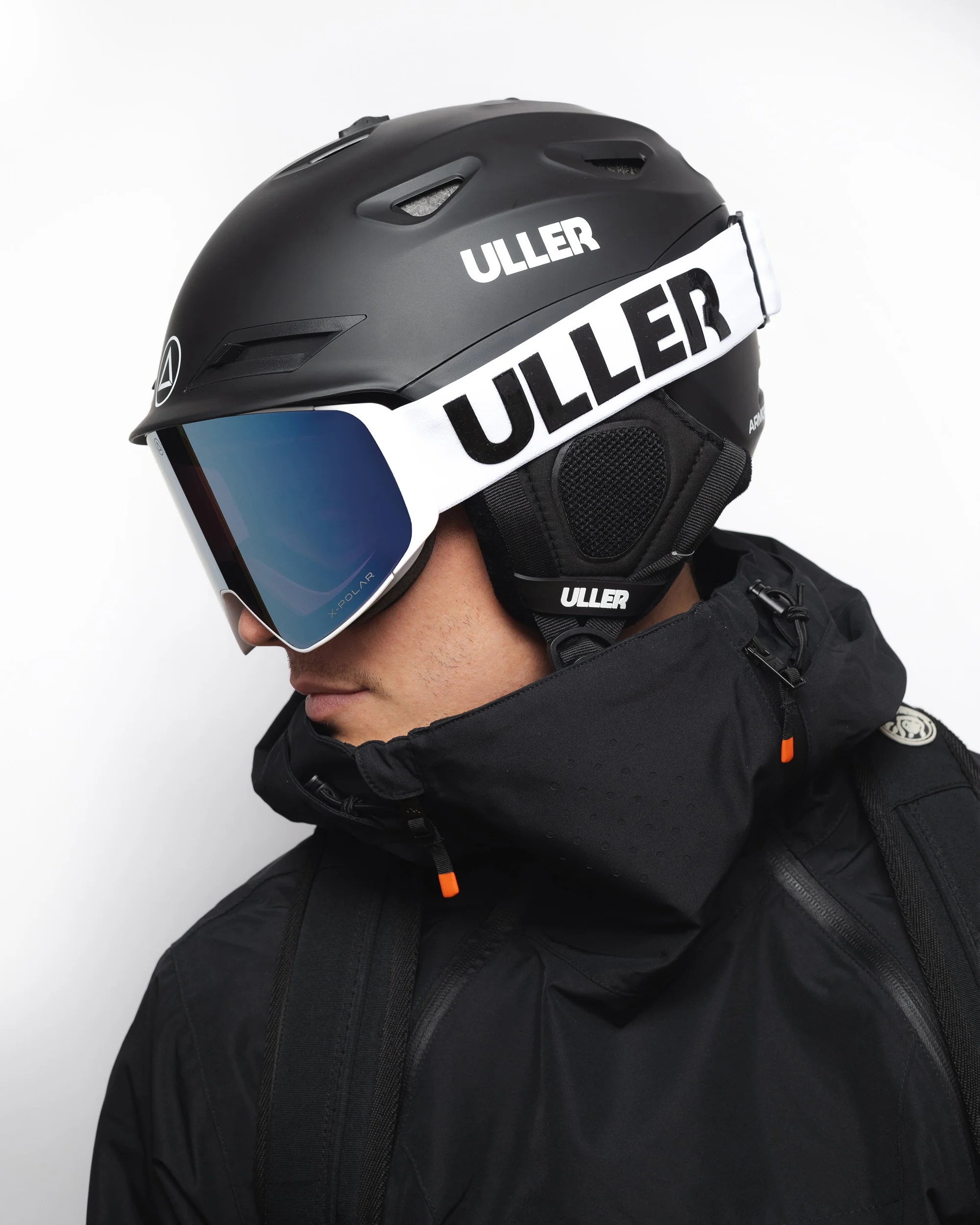
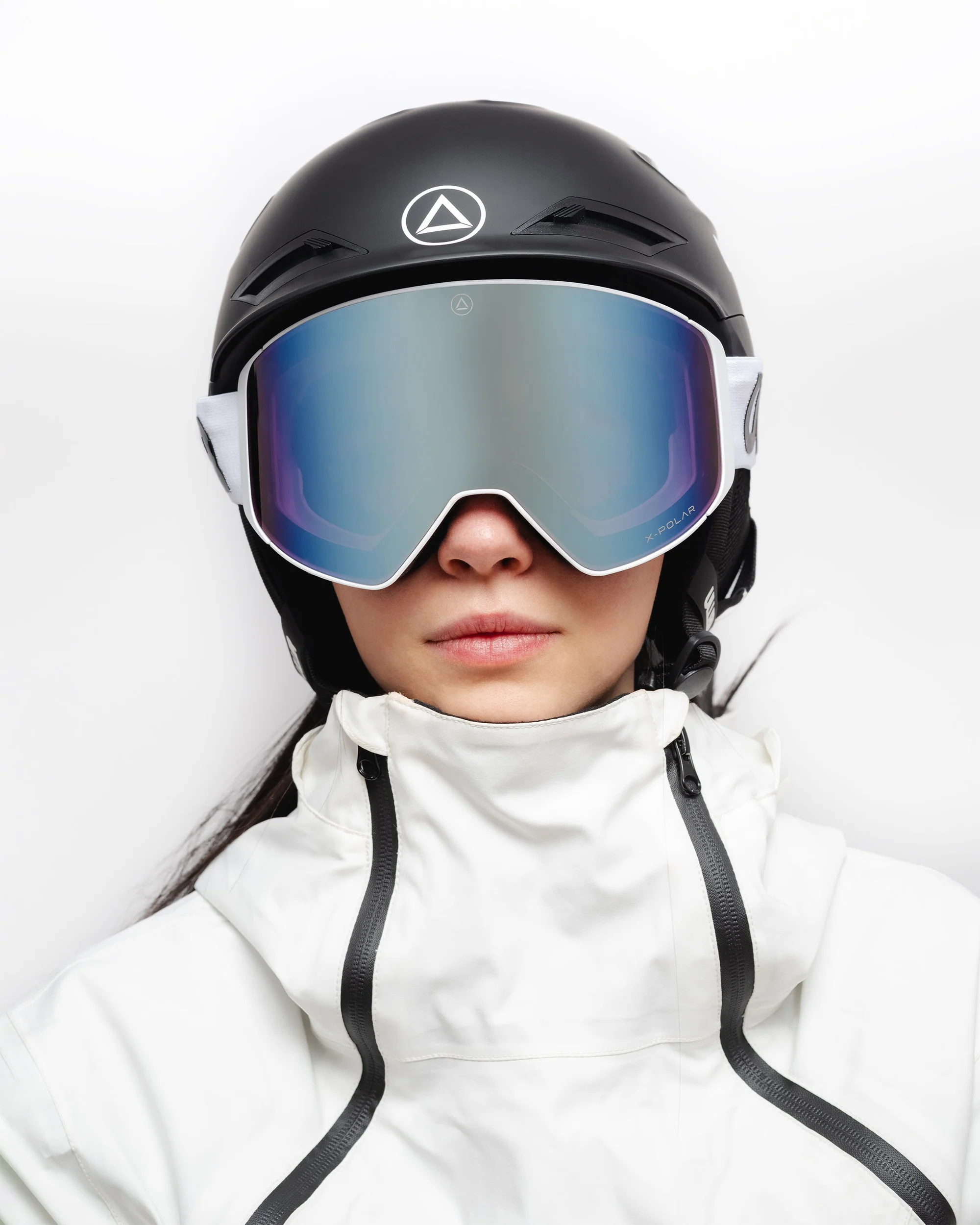
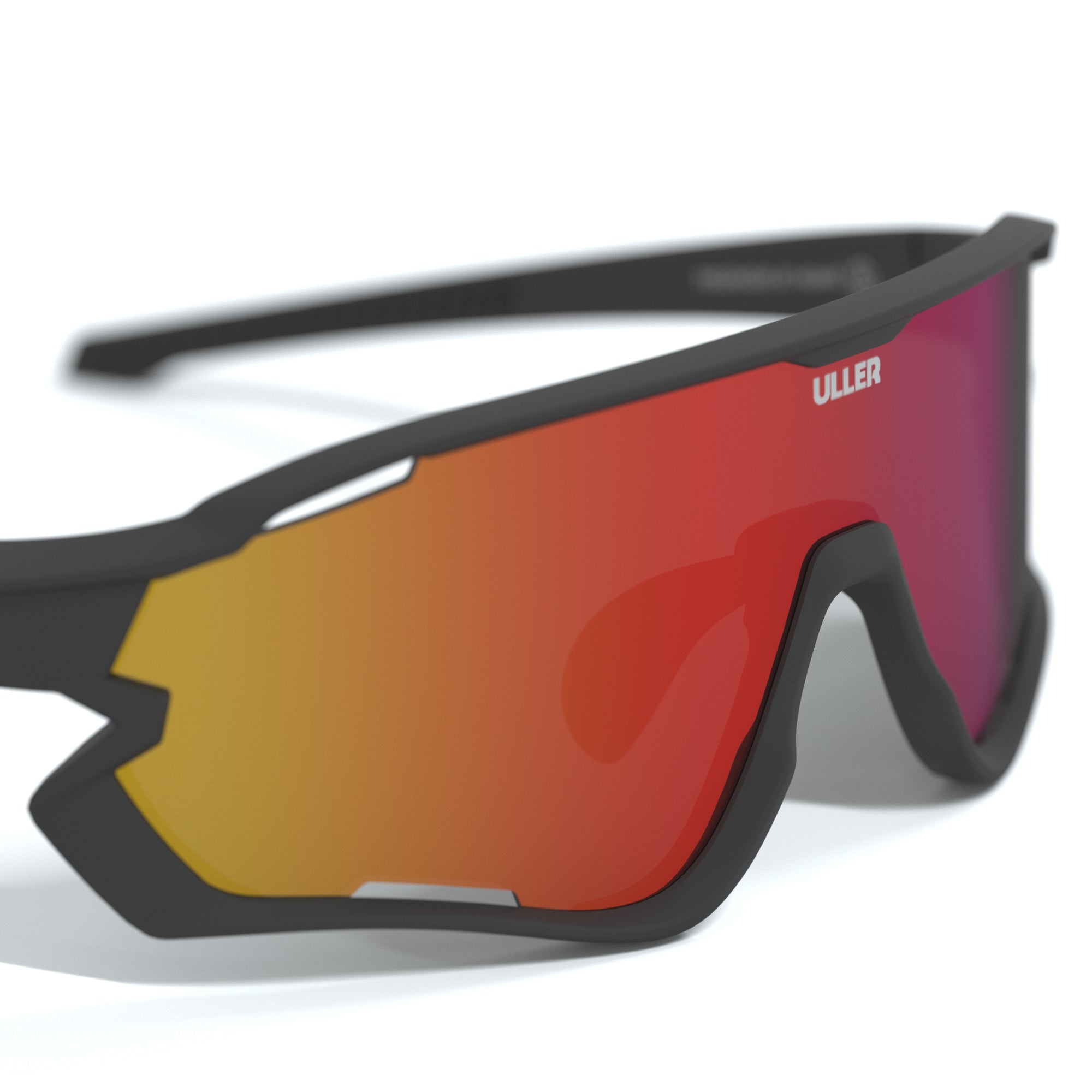
Few things ruin a day in the mountains more than poor visibility. Everything can be going well: the snow is good, the pace is right, your legs respond, and the sensations are exactly what you expect when you go skiing or snowboarding. But suddenly, your goggles start to fog up and everything changes. What was smooth just seconds ago turns into discomfort, insecurity, and a loss of confidence with every turn.
The worst part is that many times people think this happens for no reason, as if it were an inevitable consequence of the cold, snow, or bad weather. But it’s not. In most cases, fogging doesn’t appear by chance. There is a very specific explanation, and it’s often related to small usage mistakes that many people repeat unknowingly over and over during their outings.

What’s really happening when your goggles fog up
Fogging is simply condensation. It’s a very easy phenomenon to understand, although its effects are much more noticeable on the snow. Inside the goggles, warm, humid air from your own body accumulates: your breath, facial heat, physical effort, and the temperature difference between your skin and the outside create a constant microclimate around your face. When that air comes into contact with a cold lens, the moisture turns into tiny droplets. And those microdroplets are exactly what you perceive as fog or mist.
That’s why when goggles fog up, it doesn’t necessarily mean they are malfunctioning. In many cases, what’s happening is that the balance the goggles need to work properly has been broken. Modern snow goggles are designed to manage the contrast between the cold outside and the warmth inside, but they need the system to remain stable. When that balance is disturbed, condensation appears and the experience changes completely.
Mistake #1: taking off your goggles in the middle of a run or activity
This is probably the most common mistake of all and, at the same time, one of the most damaging. Many people take off their goggles for a few seconds to talk, wipe their face, breathe better, adjust their helmet, or simply because they feel slight discomfort. It seems like a harmless gesture, something completely occasional. However, that small action can be enough to trigger the problem.
When you take off your goggles during activity, warm, humid air suddenly enters the inside of the lens. The lens, meanwhile, remains cold due to the outside temperature. That difference creates the perfect scenario for condensation to appear almost immediately. At that moment, even if you put the goggles back on right away, the thermal balance has already been broken. And once the inside is loaded with moisture, regaining clear vision during the run is not always easy.
That’s why one of the simplest and most important rules is this: if the goggles are on and working well, it’s best not to touch them. The more stable the system, the better they will perform. Often, avoiding fogging depends less on “doing something” and more on not breaking that small ecosystem the goggles have created around your eyes.

Mistake #2: unknowingly blocking ventilation
Ski goggles don’t just protect against wind, snow, or solar radiation. They are also designed to generate airflow. This flow helps evacuate internal moisture and maintain a more controlled temperature inside the mask. When air circulates well, the risk of condensation decreases. When it doesn’t circulate, moisture gets trapped and fogging becomes much more likely.
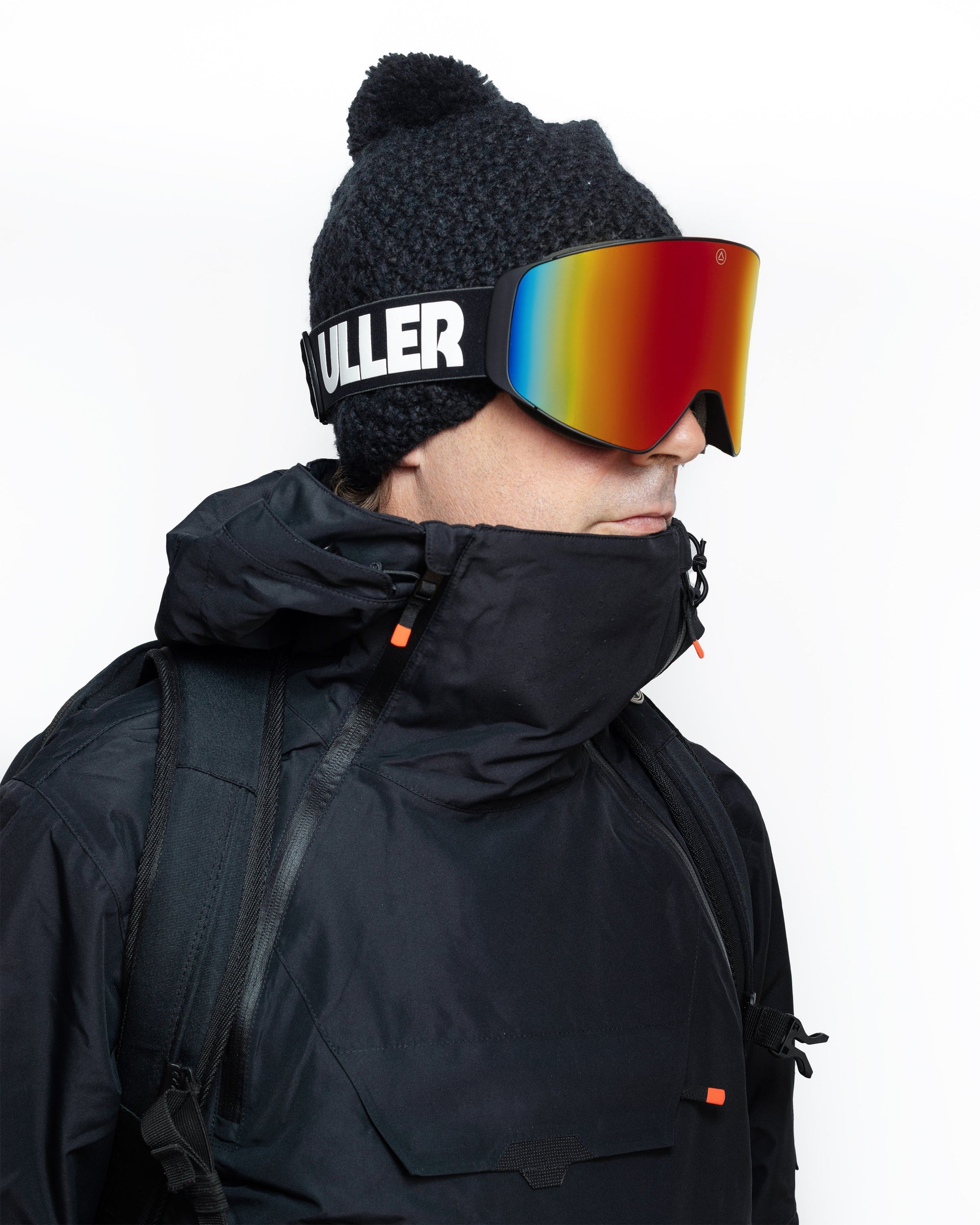
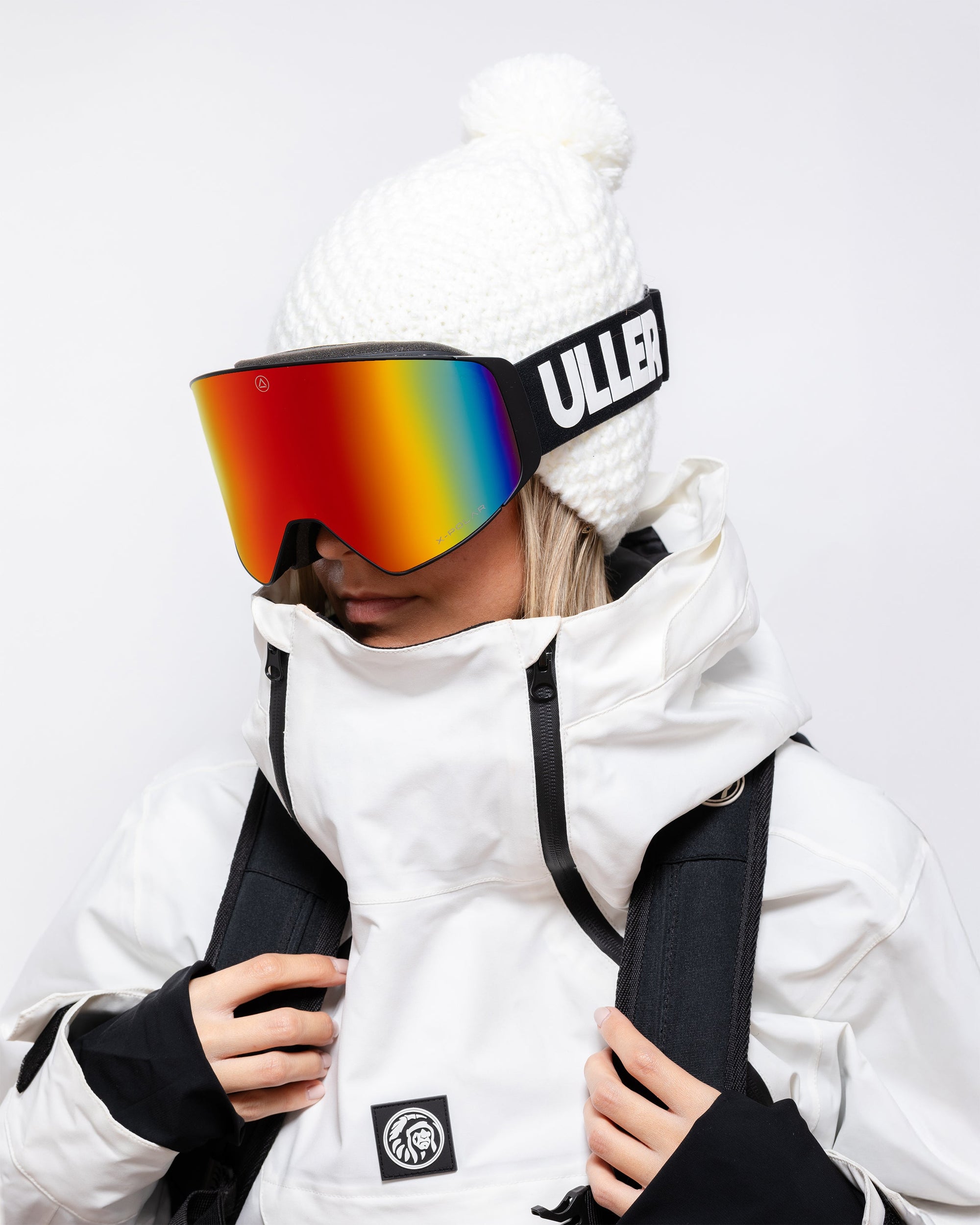
The problem is that many times this ventilation is blocked without realizing it. It can happen with a buff or balaclava worn too high, with a helmet and goggle combination that doesn’t fit well, with clothing pushing the mask upward, or even with poor placement that compresses key areas of the system. In all these cases, the air inlets or outlets stop working as they should, and the goggles lose much of their ability to manage internal moisture.
This explains why sometimes the same goggles work perfectly one day and not the next. It’s not always a lens problem. Often it’s a ventilation problem. If air doesn’t enter, circulate, or exit, moisture accumulates. And when that happens, no matter how good the lens is, performance drops. On snow, airflow is not a minor detail: it’s an essential part of the system.
How goggles are designed to reduce fogging
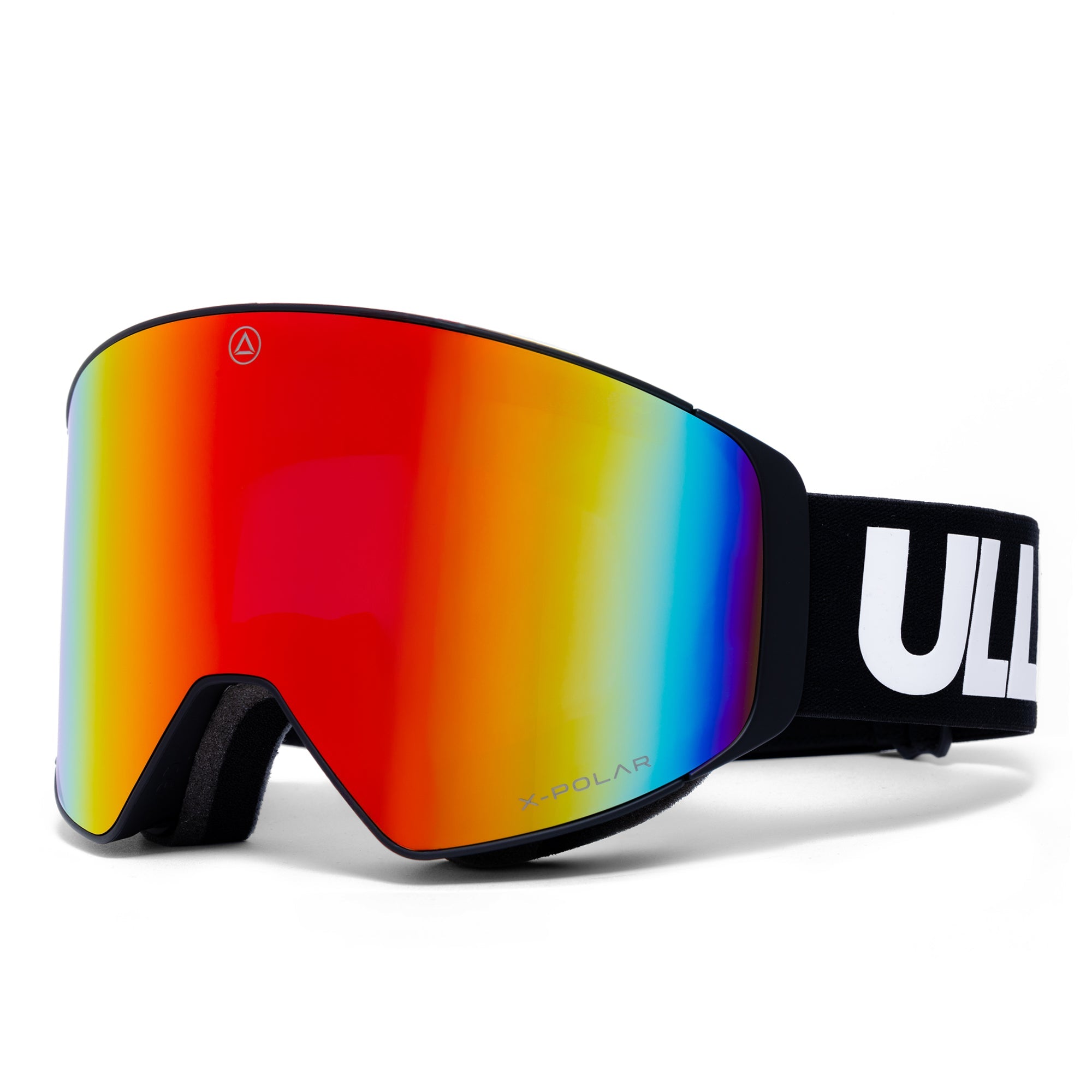
Behind good snow goggles, there is more technology than meets the eye. From the outside, you might notice the design, lens color, or helmet fit, but what really matters is often how they are built inside. A goggle’s ability to resist fogging doesn’t depend on a single miracle piece but on a set of elements working together to maintain the balance between visibility, ventilation, and insulation.
Double lens and air chamber
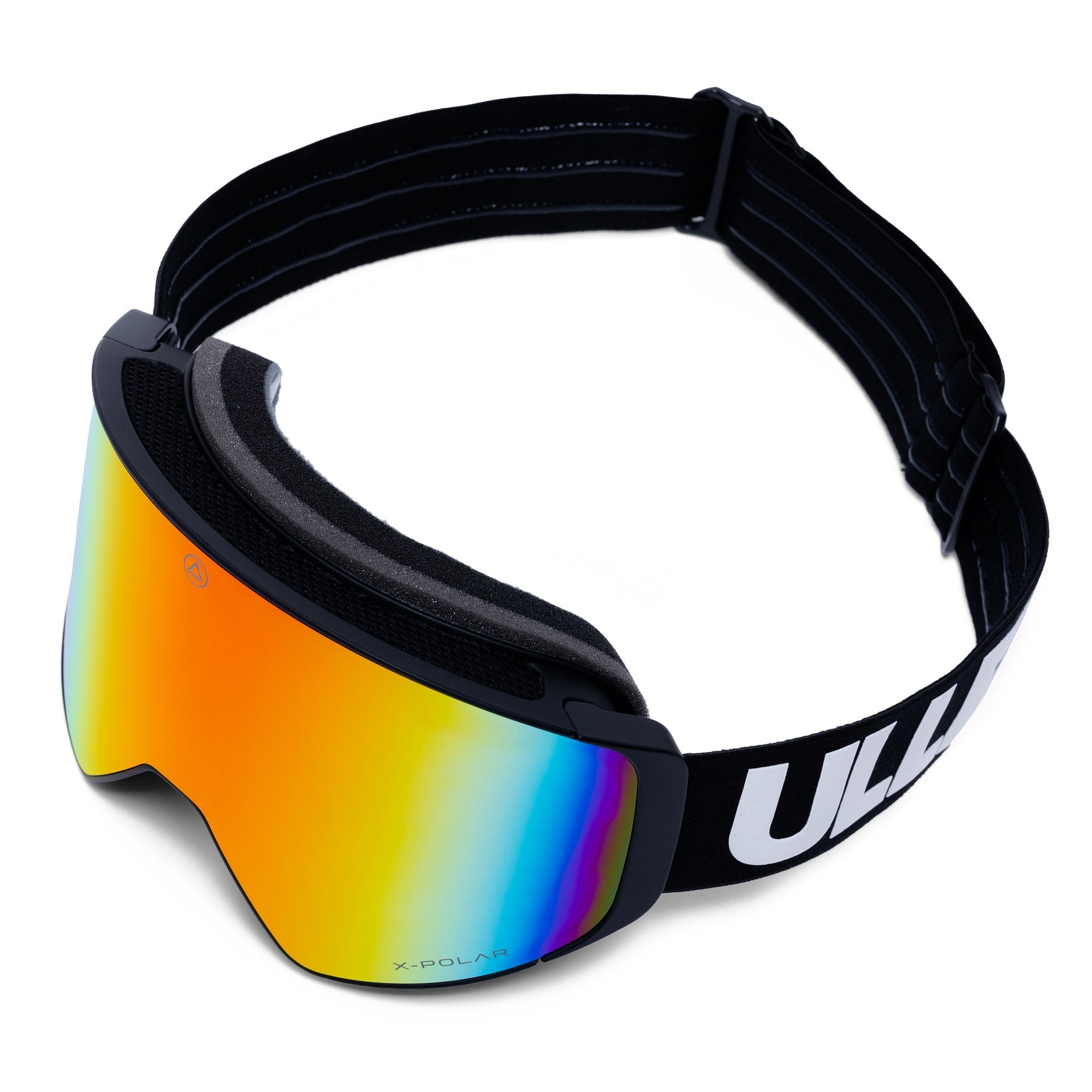
One of the most important elements is the double lens. Between the two surfaces, an air chamber forms that acts as thermal insulation. This separation helps reduce the sudden shock between the outside and inside temperatures, which is fundamental to minimizing condensation. In other words: the goggles don’t magically eliminate moisture, but they do reduce the conditions that favor moisture turning into fog inside the lens.
Ventilation openings in the frame
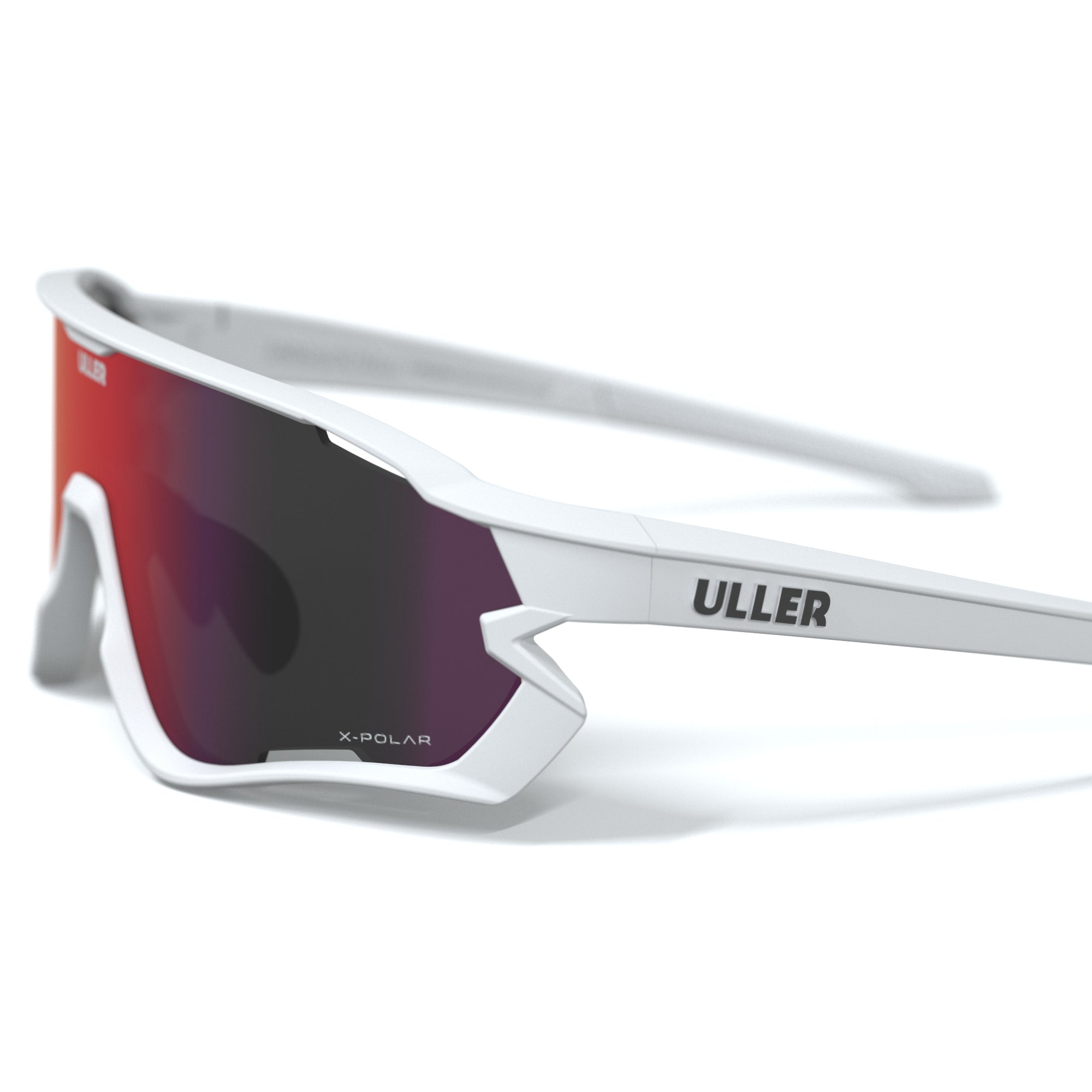
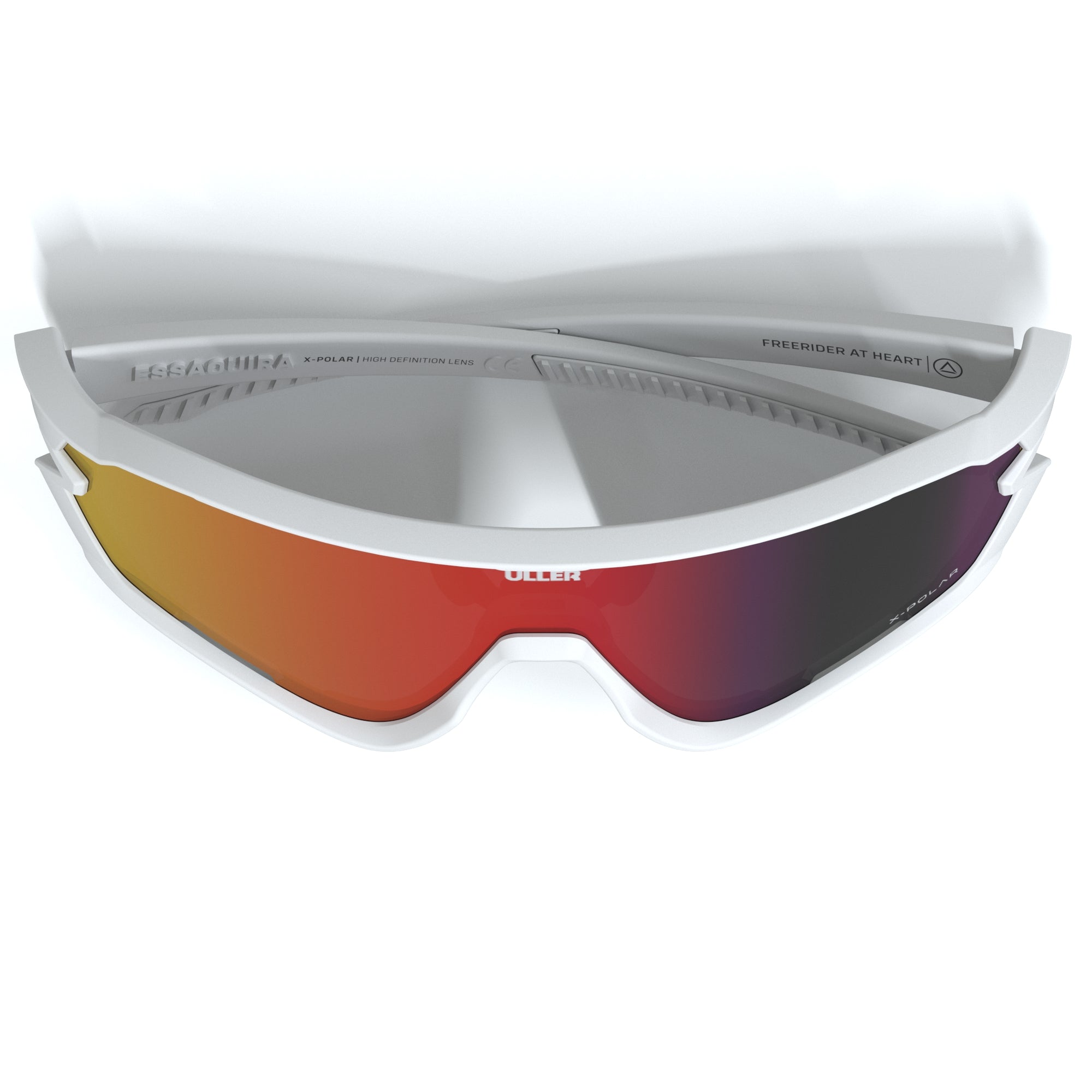
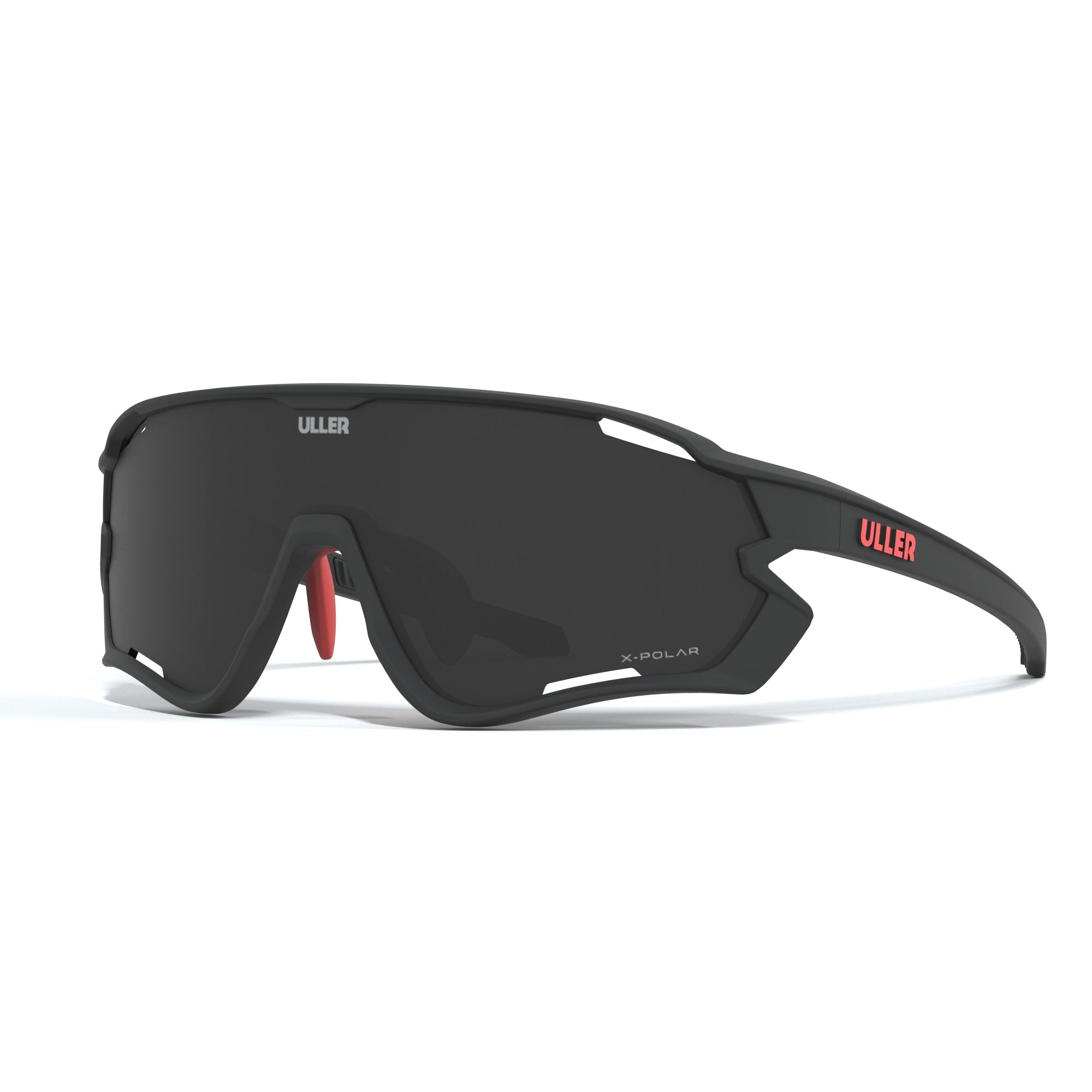
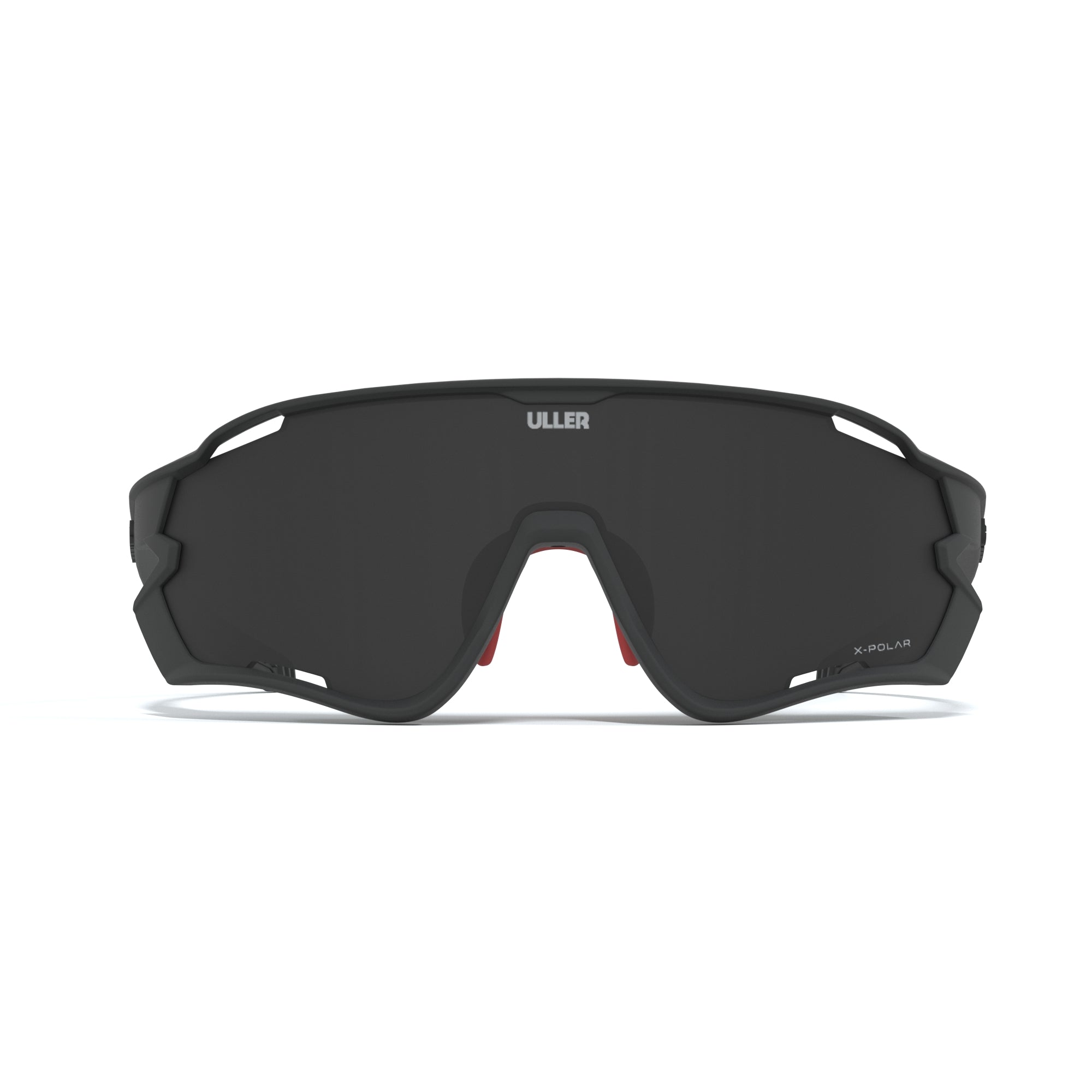
The frame includes ventilation zones designed to allow air exchange. These openings help the system breathe and prevent moisture from being trapped inside. If these areas are clear and well integrated with the helmet and other gear, airflow remains more stable and the goggles can work under better conditions. It’s a technical detail that often goes unnoticed but makes a huge difference in practice.
Foam channels of different densities
The foam isn’t just there to provide comfort or improve fit on the face. It also influences how air moves and how the mask contacts the skin. Multi-density foam systems help balance comfort, sealing, and ventilation. In other words, it’s not just about the goggles being comfortable for hours, but about that comfort not sacrificing overall performance.
Lateral air escape
For a ventilation system to truly work, air must not only enter but also be able to exit. That’s why many goggles include side escape channels that allow airflow to follow its natural path. This continuous circulation helps evacuate moisture and maintain clearer vision even when effort increases, snow conditions get tough, or the weather worsens.
The important thing here is to understand that all these parts work as a whole. The double lens, frame ventilation, foam, and air outlets don’t act in isolation. They form a system. And like any system, when one part stops working properly, the overall result worsens. That’s why small, seemingly harmless decisions, like pulling your buff up too high or misplacing your goggles, can have such a big impact.
What to do to minimize fogging
The good news is that avoiding fog usually doesn’t require complicated solutions. In fact, in most cases, the most important thing is to respect the natural functioning of the goggles. Keeping them on during activity, not disturbing the internal balance, and making sure ventilation areas stay clear are habits much more effective than they seem. Sometimes, the difference between a clear day and a frustrating one comes down to two or three very simple choices.
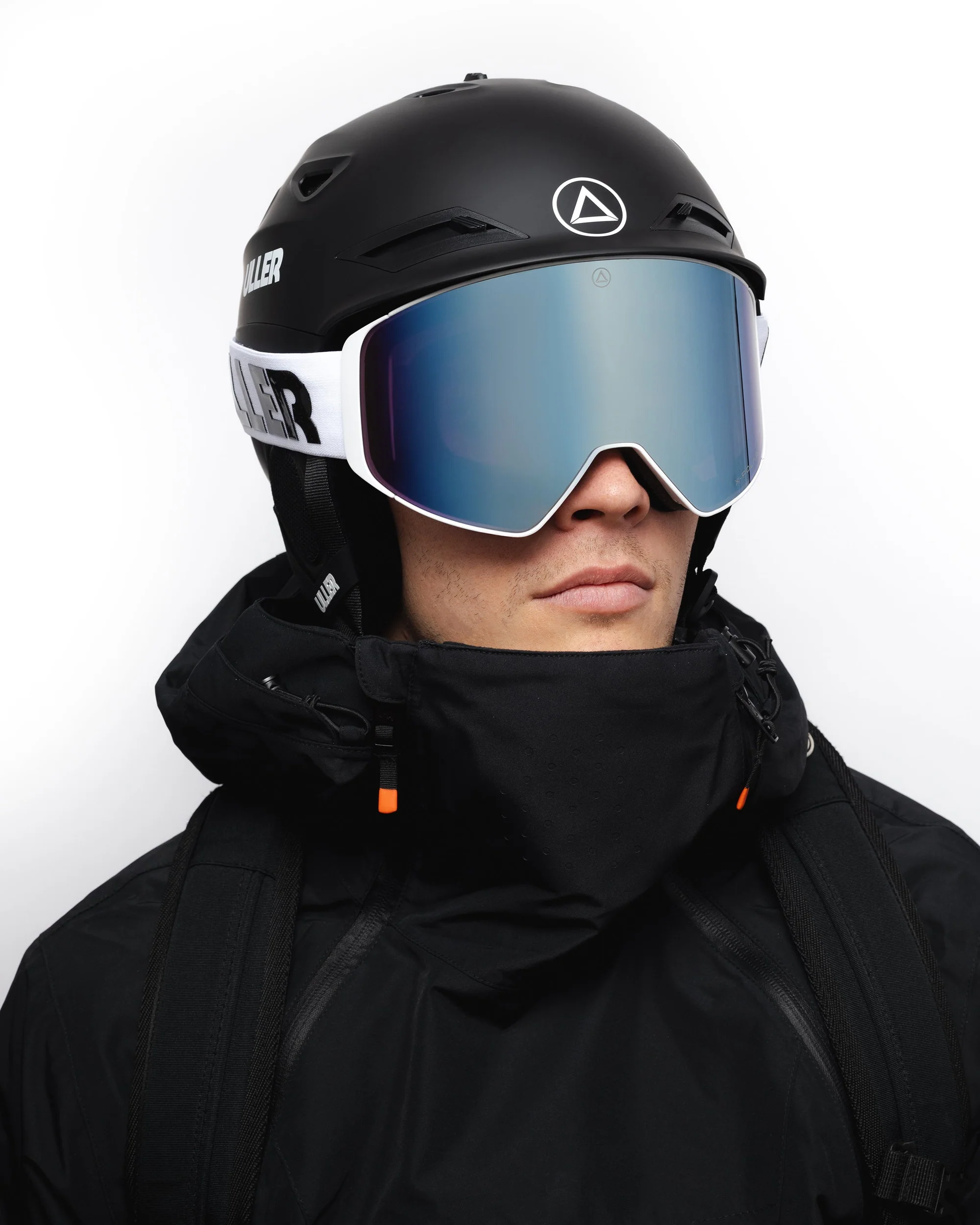
It’s also worth checking how all your gear fits together. Goggles don’t work alone. They work with your helmet, buff, jacket, and how you gear up before heading out. When everything fits well, the system breathes better. When something blocks or unbalances it, moisture starts to take over. That’s why often the real technical fit isn’t just in the goggles but in how they integrate with everything else.
Seeing well isn’t comfort: it’s performance and safety
On snow, seeing well isn’t a luxury. It’s not just a matter of comfort. It’s a basic condition to anticipate the terrain, read the relief better, react in time, and maintain confidence on every descent. When your vision is clear, you move more safely, choose your line better, and ski more naturally. When the lens fogs up, everything becomes slower, tenser, and more uncertain.
That’s why it’s worth truly understanding why fog happens and what makes it worse. It’s not just about avoiding an annoyance. It’s about protecting a central part of your mountain performance. Well-used goggles don’t just let you see better: they help you make better decisions, keep your pace, and maintain focus when conditions get serious.
Conclusion
Most fogging problems don’t come from bad luck. They come from unknowingly breaking the balance goggles need to work. Taking them off during activity or blocking ventilation are two of the most common mistakes and, at the same time, two of the easiest to avoid. Understanding this completely changes how you use your goggles on the snow.
In the end, good goggles don’t just depend on design or lens quality. They depend on how the whole system is built and how you respect it when you’re in the mountains. And that’s the key: often, preventing fog isn’t about finding miracle solutions but about better understanding how they work and letting them do their job.