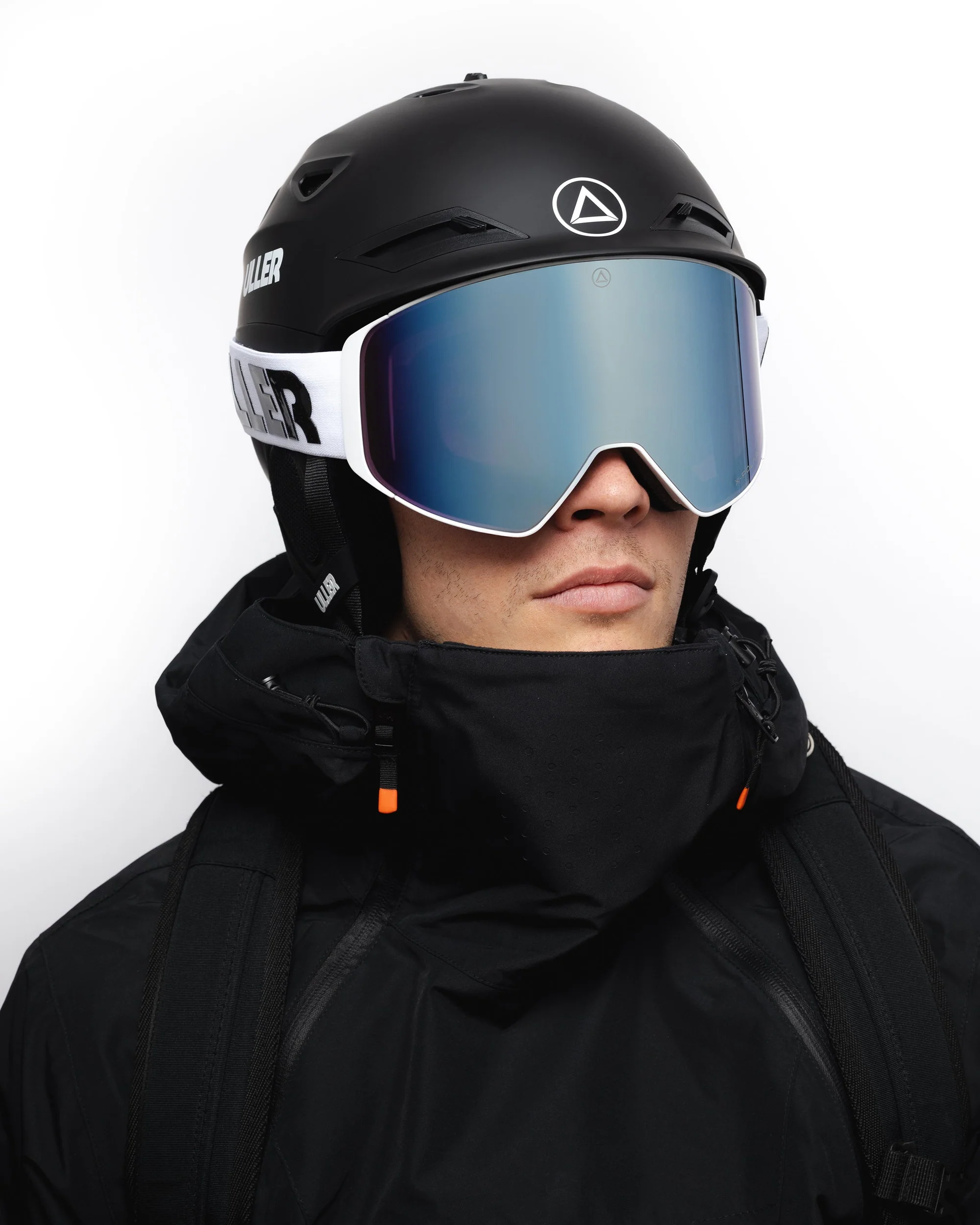
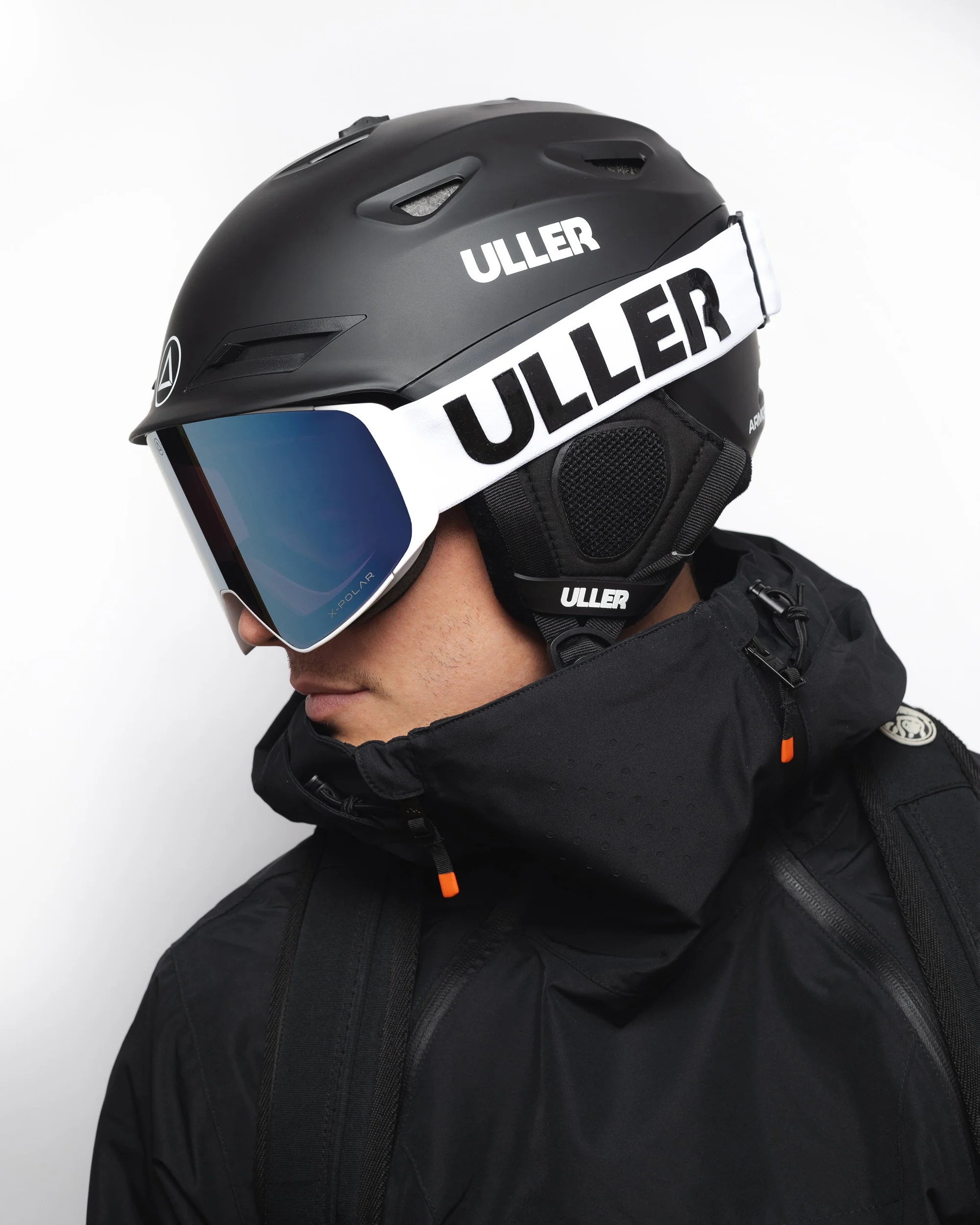
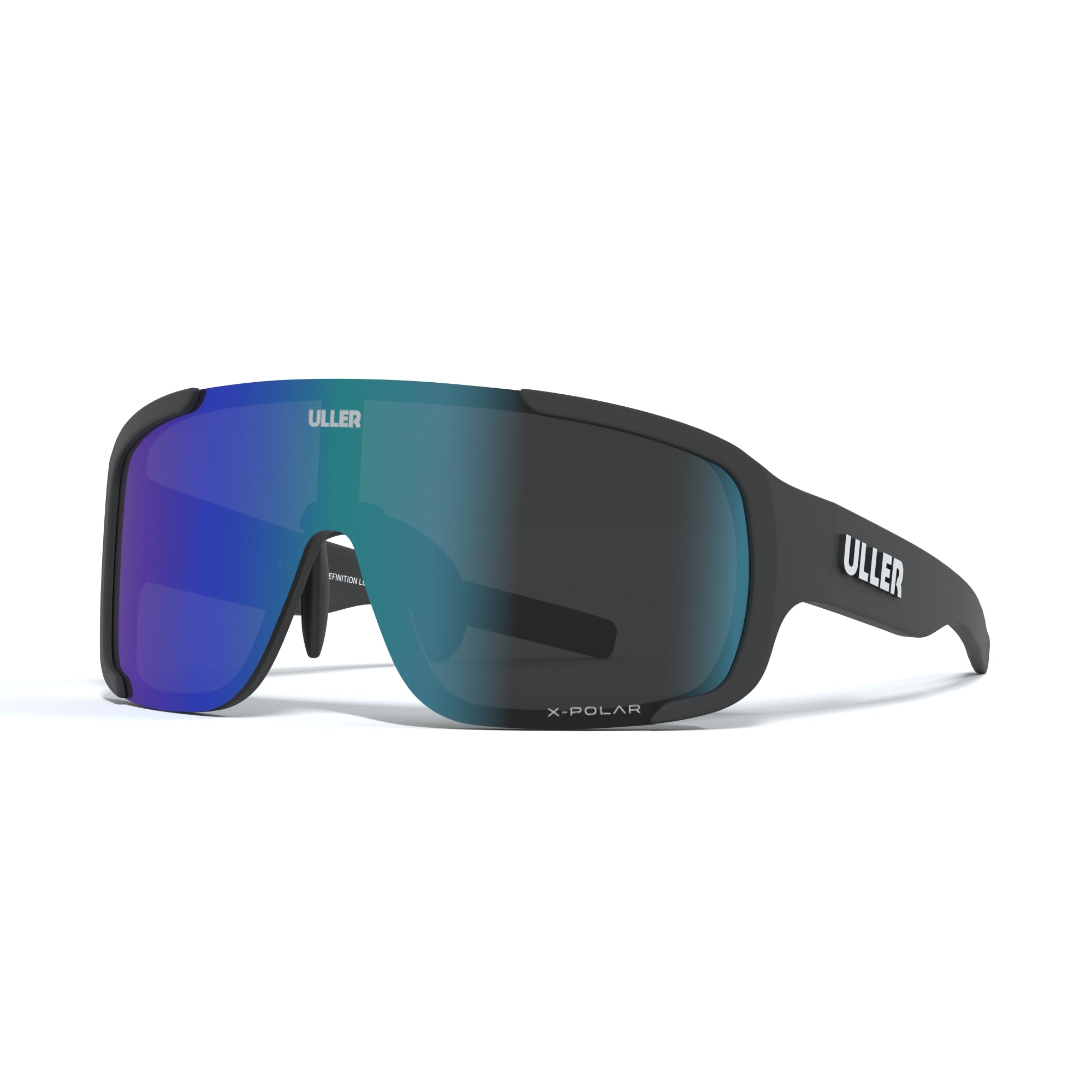
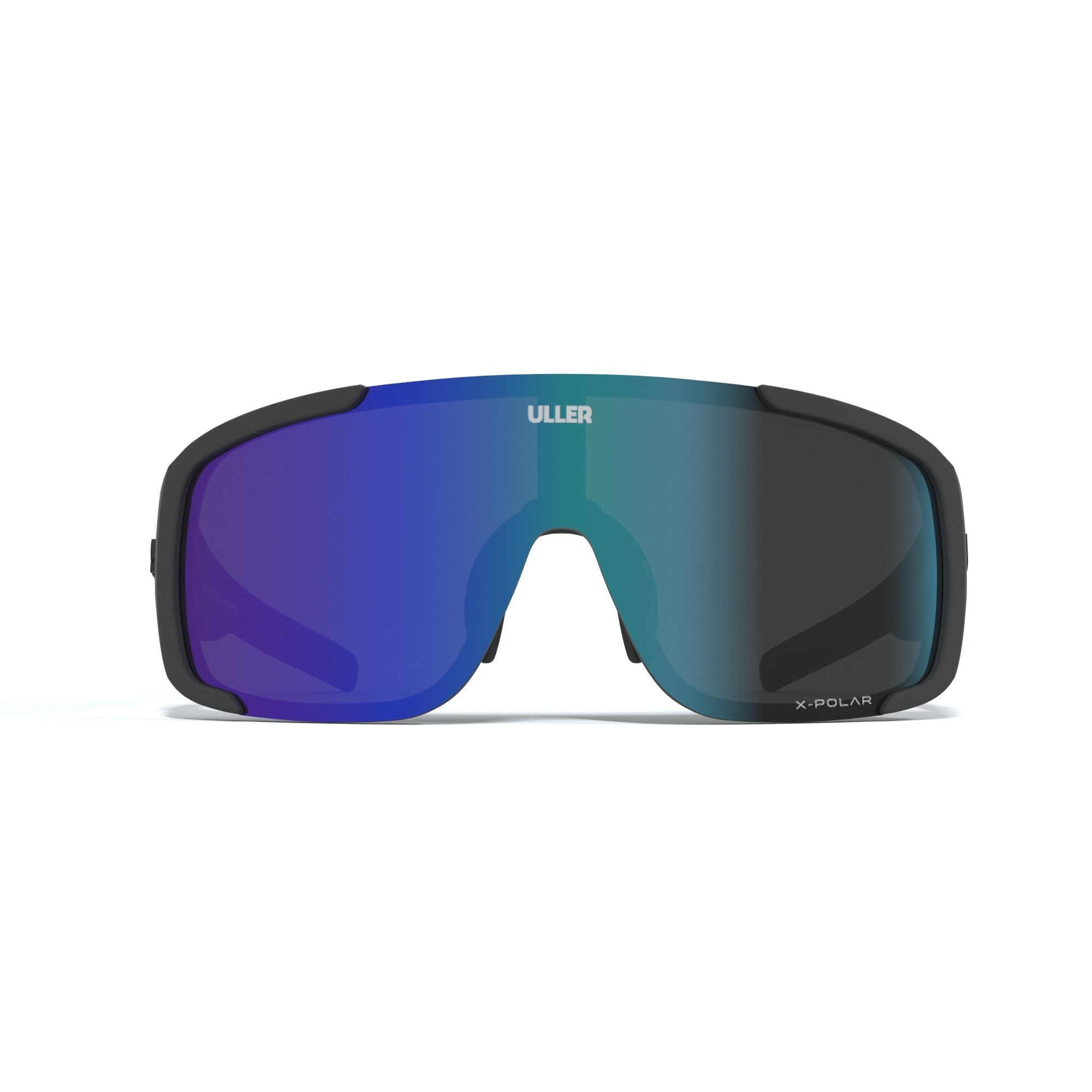
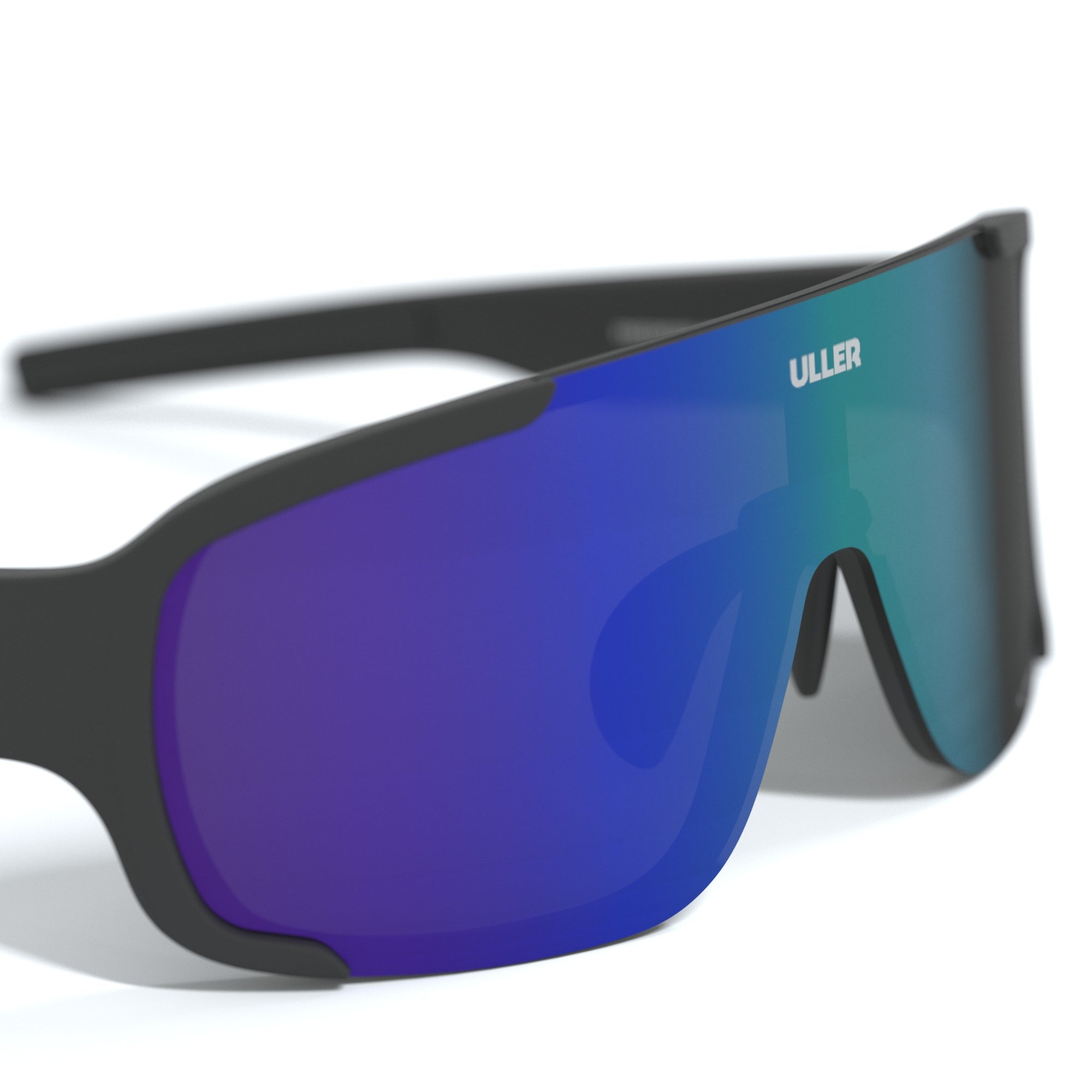
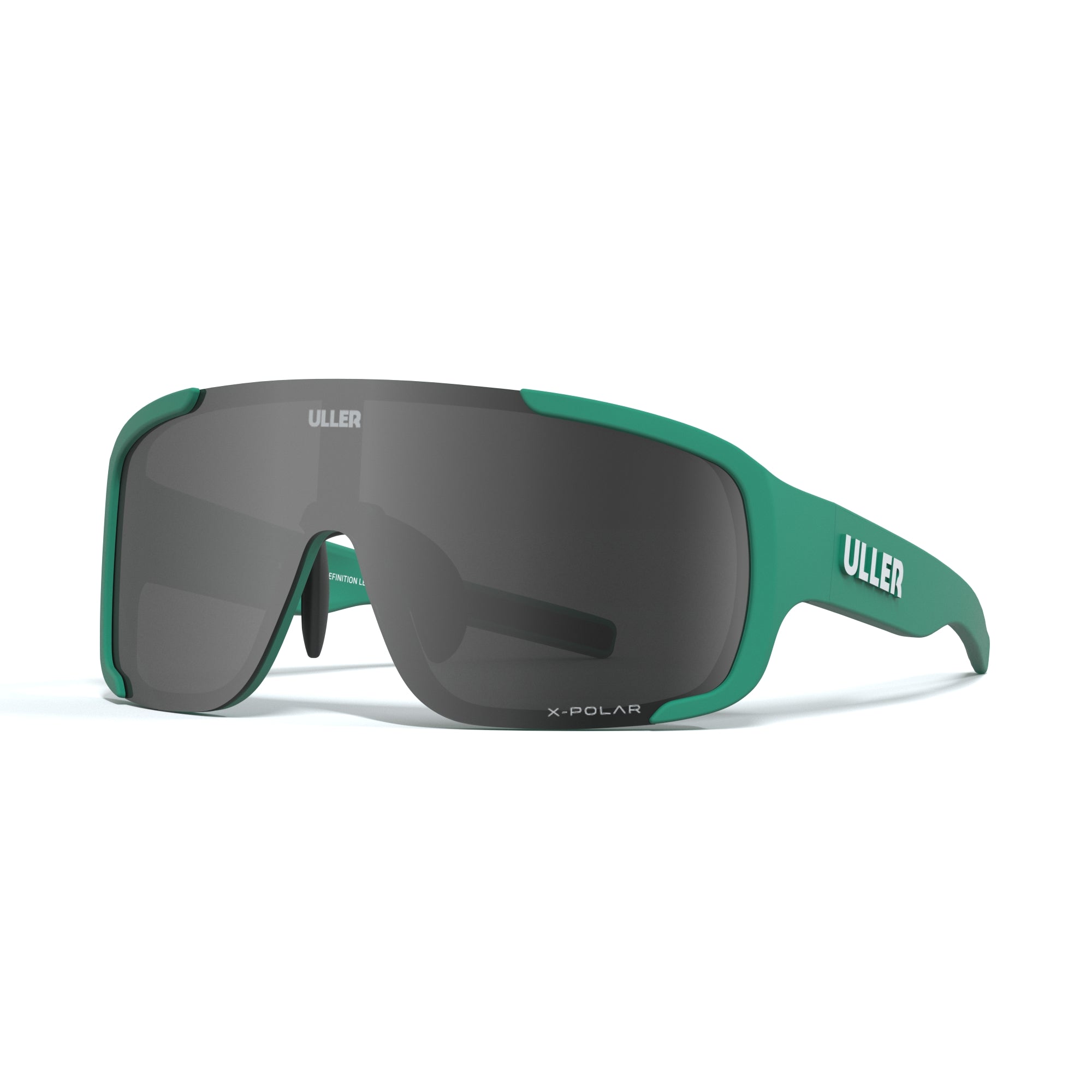
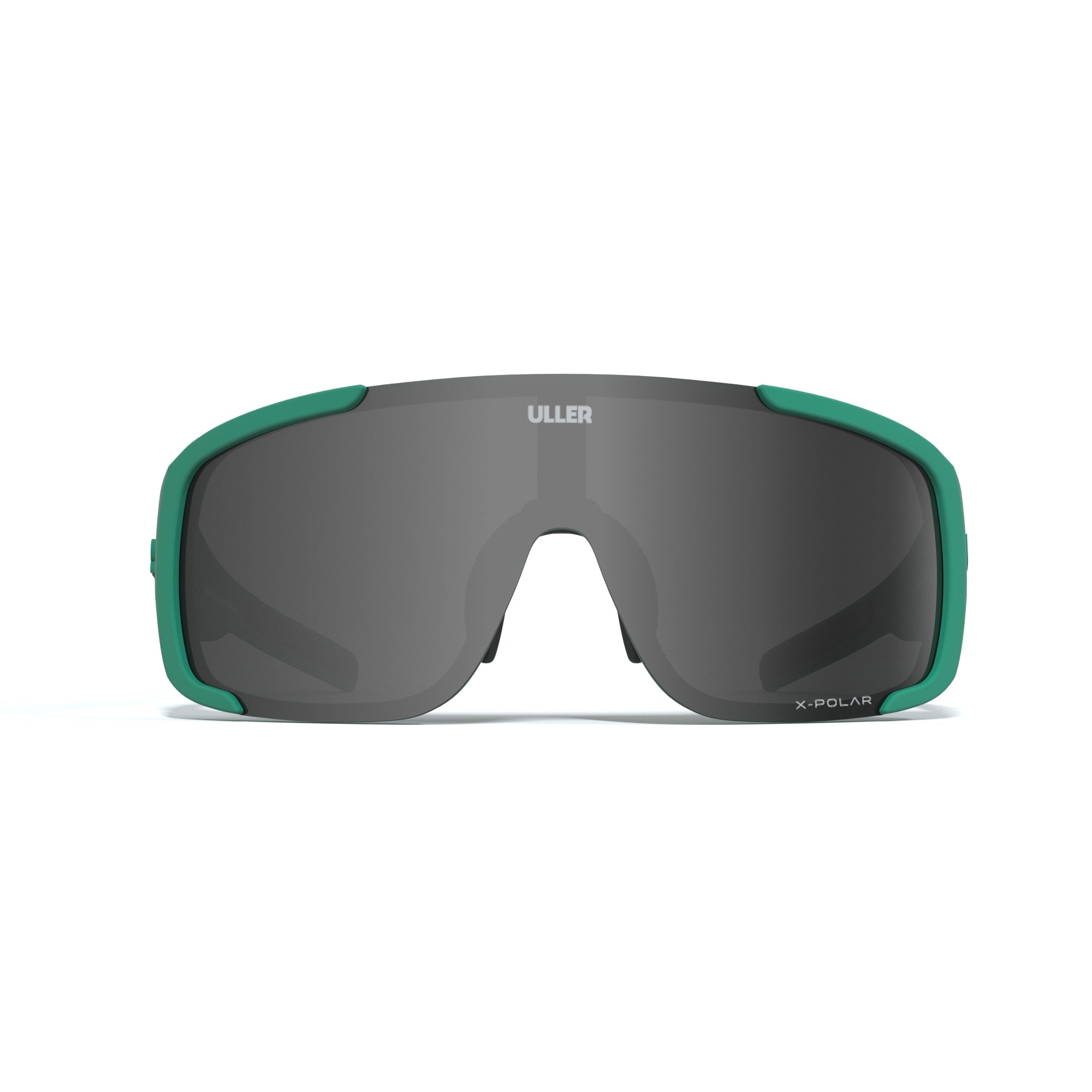
The Role of X-Polar and the Pink Inner Layer in Spring Snow
In conditions of high brightness, simply reducing light intensity is not enough. The real challenge is managing how that light interacts with a highly reflective surface like spring snow.
In March, the problem is usually not lack of visibility. It is an excess of poorly distributed luminous information. Wet snow, the high sun, and constant reflection create a saturation that reduces micro-contrasts and flattens the relief.
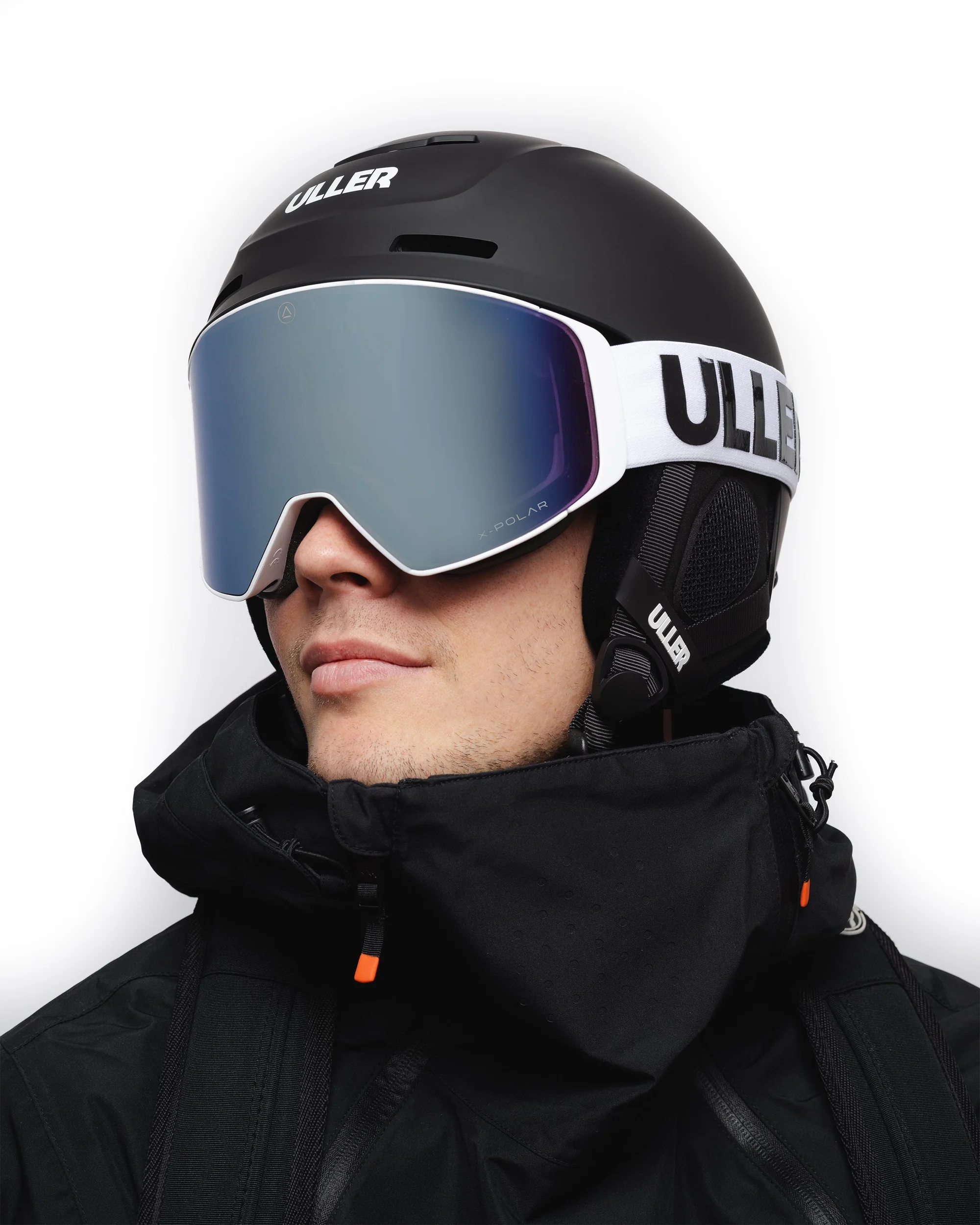
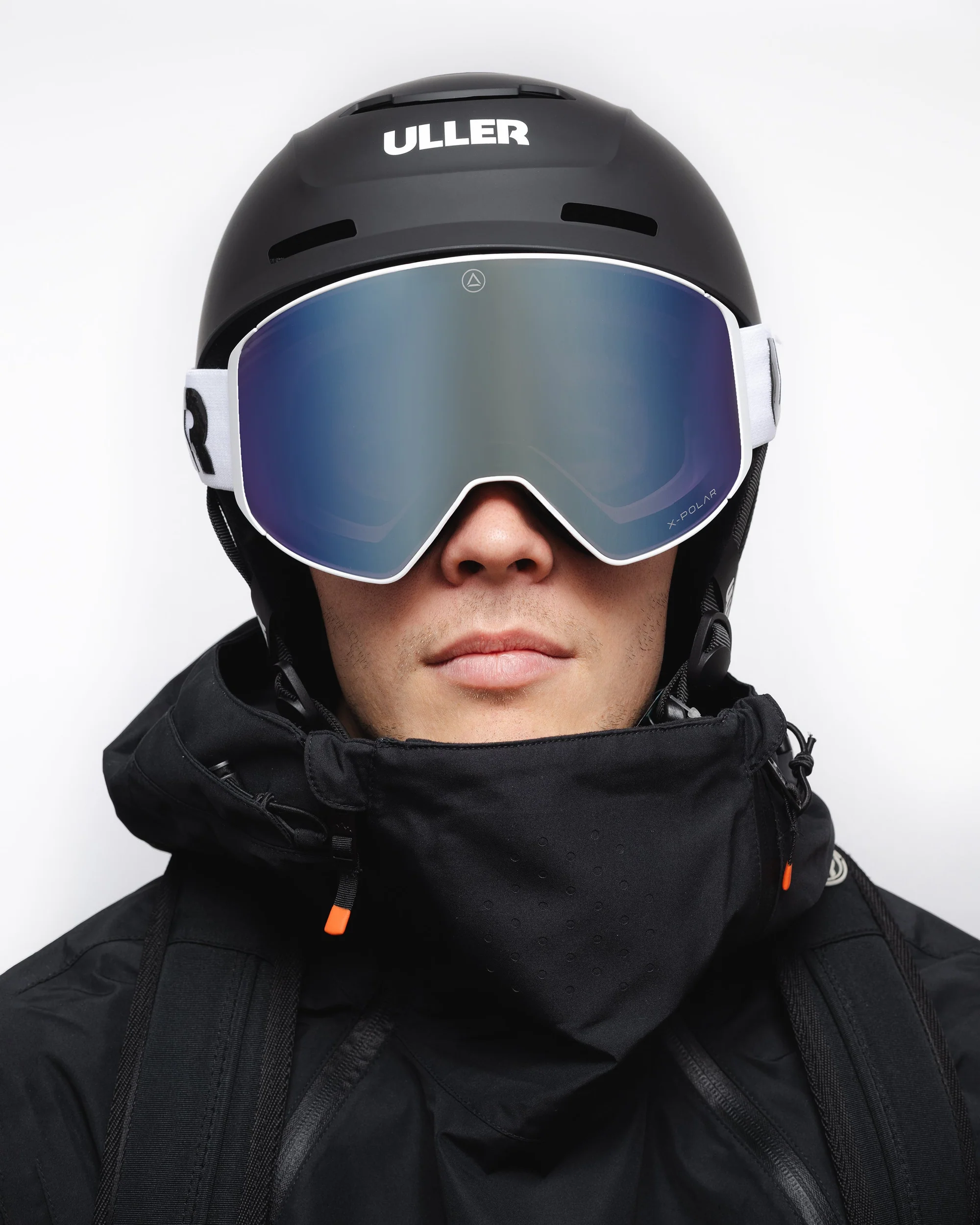
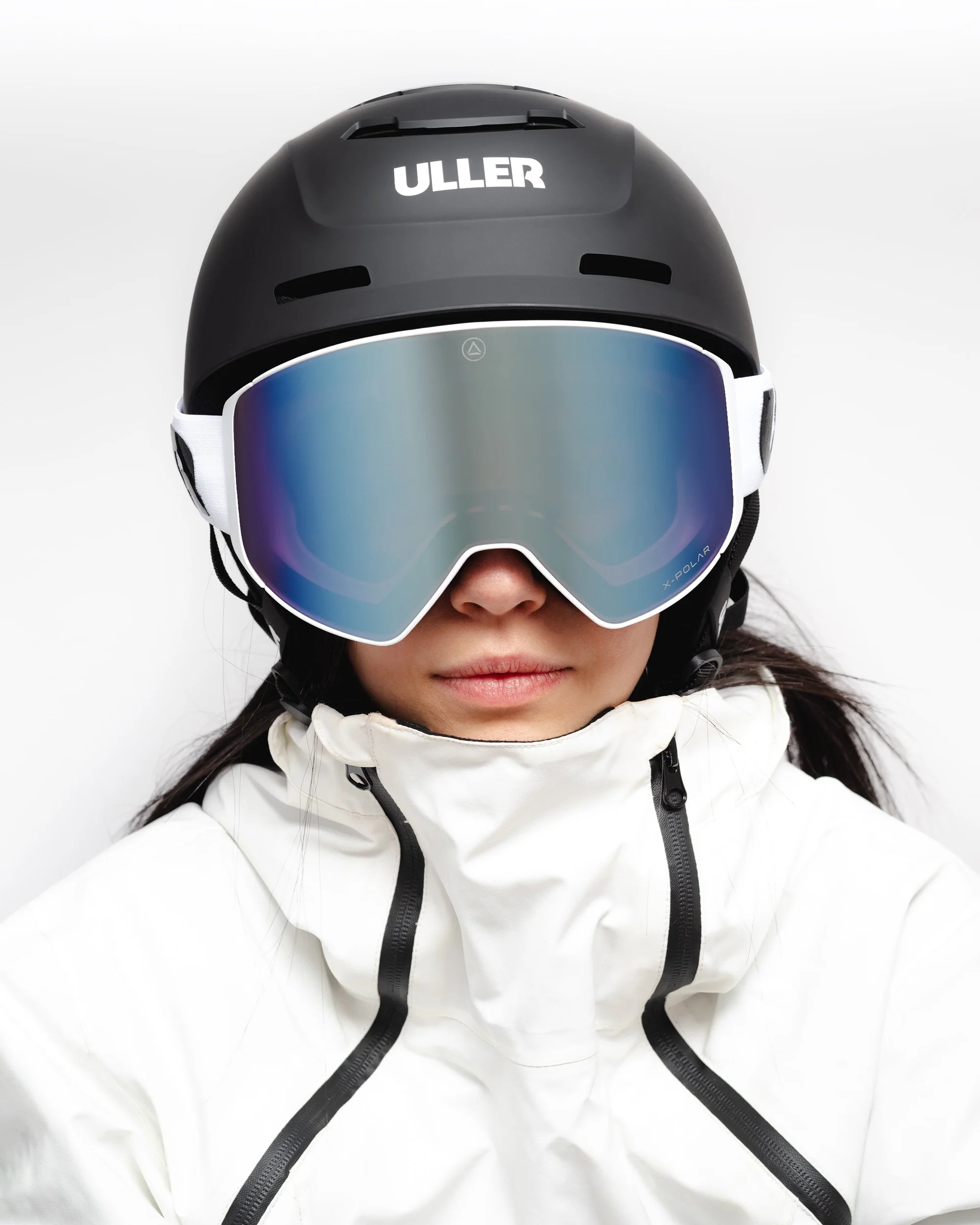
This is where two structural elements of our lenses come into play: X-Polar technology and the high-contrast pink inner layer.
X-Polar: stabilizing light before it reaches the eye
Snow acts like a diffuse mirror. When the sun hits at a high angle, a large part of the light bounces horizontally. This bounce creates specular glare that does not provide useful information about the terrain but does tire the eye and reduce depth perception.
The X-Polar treatment is designed to reduce that reflected horizontal component without eliminating structural brightness. In other words, it cleans unnecessary glare while maintaining volume and clarity.
In practical terms:
- Reduces glare on transformed or wet snow.
- Prevents whites from “burning out” at midday.
- Improves visual stability on long descents.
- Decreases accumulated eye strain.
The result is not a darker view, but a more controlled one. More stable. More predictable.

Pink Inner Layer: selective contrast amplification
The pink inner tone is not for aesthetic reasons. It responds to spectral behavior.
White surfaces tend to reflect a wide range of wavelengths very evenly. When that reflection is intense, the eye loses the ability to distinguish subtle texture variations.
The pink filter works by modulating certain bands of the visible spectrum, enhancing contrasts in areas where pure white tends to homogenize information. This allows small differences in density or relief to remain perceptible even under high brightness.
In spring snow, where coexist:
- Compact early-morning crusts,
- Soft zones at midday,
- Surface crusts,
- Transitions between opposite orientations,
this fine texture separation ability makes the difference between anticipating or reacting.

The interaction between polarization and contrast
The combination of X-Polar and the pink layer does not act as two independent filters. They work together.
First, the light noise (excessive reflection) is reduced. Then, the useful information (micro-contrasts and transitions) is amplified. The order matters.
If you only reduce glare but don’t work on contrast, you get a more comfortable but flat image. If you only work on contrast without controlling reflection, the excess light still saturates perception.
The key is balancing both factors.
Why this optical design is especially relevant in March
In deep winter, with more uniform light or overcast days, contrast is largely created by natural shadows. In spring, with the high sun and intense reflection, those shadows diminish and the terrain depends more on the optical quality of the lens to maintain depth.
March usually doesn’t punish for lack of light. It punishes for poorly managed excess.
The combination of X-Polar and the pink inner layer aims precisely at that: reducing what is excessive and enhancing what matters. Not adding artifice. Not saturating color. Not exaggerating tones.
But maintaining a true reading of the terrain when the environment tends to become uniform.
Because in spring snow, the terrain doesn’t disappear. What disappears is the ability to clearly distinguish it when light invades everything.